Kirkland homeowners with wood-burning fireplaces should budget $189–$600 per year for the core maintenance tasks — professional sweep, Level 1 inspection, and minor seasonal repairs — that NFPA 211 and the Chimney Safety Institute of America (CSIA) both recommend completing once per burning season, ideally in late summer before the first damp Pacific Northwest cold snap arrives.
Why Annual Maintenance Matters More in Kirkland Than in Drier Climates
Kirkland's position along Lake Washington means the Eastside stays noticeably wetter than inland Pacific Northwest communities. Average annual rainfall exceeds 35 inches, and the long gray stretches from October through March keep masonry chimney components damp for months at a time. That persistent moisture accelerates 3 distinct failure modes that drier-climate homeowners rarely face at the same pace: creosote softening and re-condensation inside the flue, mortar joint erosion, and biological growth on chimney crowns and upper courses.
NFPA 211, the national standard for chimneys and fireplaces, states that chimneys shall be inspected at least once per year and cleaned whenever deposits warrant it. In Kirkland's climate, 'when deposits warrant it' almost always means every single burning season — not every other year. A fireplace used even 20 times between November and March can accumulate enough Stage 1 creosote to justify a full sweep before the next season begins.
The Puget Sound Clean Air Agency also issues wood-burning curtailments during poor air-quality days, which ironically compress Kirkland residents' burning into fewer, longer fires on permitted days. Longer, hotter fires push more unburned gases up a cold flue, which accelerates glazed Stage 2 and Stage 3 creosote deposits — the types that are expensive to remove and that pose real fire risk.
What Does Annual Wood-Burning Fireplace Maintenance Cost in Kirkland?
The total annual maintenance cost for a wood-burning fireplace in Kirkland depends on what the sweep finds during the inspection. A clean, well-maintained system comes in at the low end; one that has missed a season or two, or that has suffered moisture damage over a Kirkland winter, lands at the high end. The table below shows the realistic cost range for each task a Kirkland homeowner should expect in a typical maintenance year.
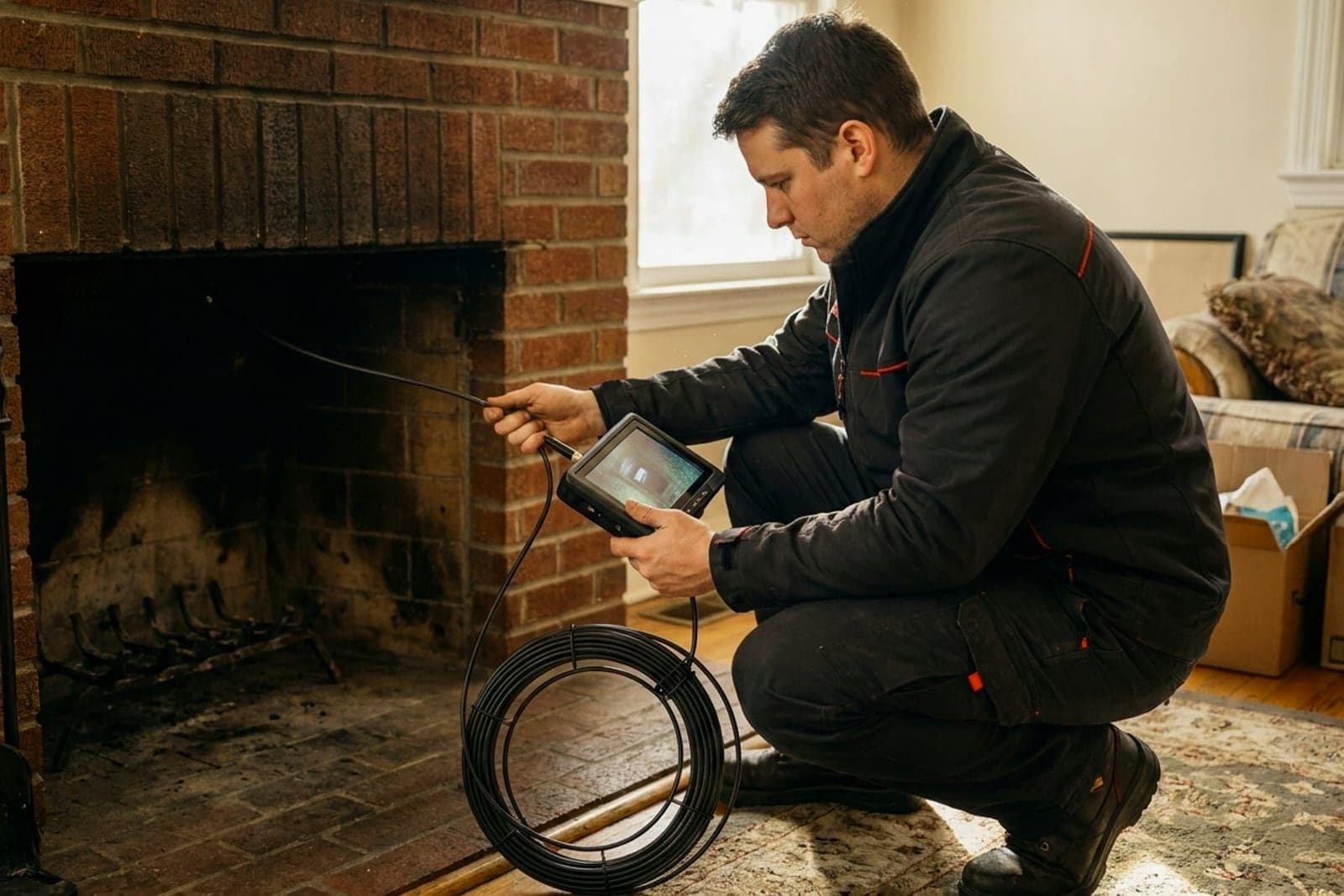
Note that a CSIA-certified chimney sweep will bundle the Level 1 inspection into the sweep visit at no extra charge in most cases, so the combined sweep-plus-inspection line item is the most common invoice a Kirkland homeowner receives. Separate line items appear when the sweep identifies a problem during the Level 1 and escalates to a Level 2 inspection, which requires camera equipment and a deeper review of concealed areas.
| Maintenance Task | Typical Kirkland Cost | How Often Needed | Notes |
|---|---|---|---|
| Level 1 inspection (bundled with sweep) | $0 additional when swept | Once per burning season | NFPA 211 minimum; visual of accessible areas |
| Standard chimney sweep — single flue, wood-burning | $189–$350 | Once per burning season, or after 1/8-inch deposit per NFPA 211 | Includes Level 1 inspection at most Kirkland providers |
| Level 2 inspection (camera scan) | $150–$275 added to sweep | After any change in use, damage, or unusual smell/smoke | Required before selling a home per NFPA 211 |
| Creosote removal — Stage 2 glaze treatment | $200–$500 added | As needed; common after infrequent-use seasons | Chemical rotary-brush method; Kirkland damp winters increase risk |
| Chimney cap inspection and re-seating | $75–$150 | Every 1–2 years | Loose caps allow rain and debris into flue |
| Damper inspection and adjustment | $50–$150 | Annually | Warped or corroded dampers are common in wet climates |
| Minor mortar spot-tuck (1–3 joints) | $150–$350 | As needed after winter freeze-thaw cycles | Prevents water infiltration into firebox or smoke chamber |
| Full annual maintenance package (sweep + inspection + cap + damper check) | $250–$600 | Once per year, late summer recommended | Most cost-effective approach; single mobilization fee |
Your Month-by-Month Maintenance Timeline for a Kirkland Wood-Burning Fireplace
Timing your maintenance tasks correctly matters as much as doing them. Scheduling a sweep in late July or August — before the first burn of the season — means the technician can identify any problems while you still have weeks to schedule repairs before cold weather and potential burn-ban windows compress your options. The table below maps a realistic Kirkland fireplace maintenance calendar across 12 months.
Homeowners in Kirkland's older neighborhoods — many homes in the Rose Hill, Norkirk, and Finn Hill areas date from the 1960s through the 1980s — should add a masonry condition check to their late-summer sweep. Brick and mortar that age has experienced decades of Puget Sound freeze-thaw cycles, and hairline cracks that looked harmless in spring can open significantly after a wet winter.
| Month / Period | Task | Who Does It | Why This Timing |
|---|---|---|---|
| July–August | Schedule and complete annual sweep + Level 1 inspection | CSIA-certified sweep | Avoids fall backlog; repairs can be done before burn season |
| August–September | Repair any deficiencies found — damper, cap, mortar, crown | Chimney professional or mason | Masonry needs dry cure time before rain returns |
| October (pre-season) | Test damper operation; burn a small test fire and check for smoke spillage | Homeowner | Confirms draw before relying on fireplace for heat |
| November–March (burn season) | Monitor for unusual odors, smoke backing into room, or visible creosote flakes | Homeowner | Early signs of blockage or excessive buildup |
| November–March (burn-ban days) | Check Puget Sound Clean Air Agency curtailment status before lighting | Homeowner | Violations carry fines; gas inserts are exempt on curtailment days |
| March–April (post-season) | Visual inspection of firebox for cracking; close damper fully to block spring moisture | Homeowner | Prevents moisture and debris entry during rainy shoulder season |
| May–June | Check chimney exterior for winter damage — crown, flashing, cap | Homeowner or sweep | Daylight and dry weather make exterior inspection practical |
A Real-World Scenario: A 1980s Craftsman in Finn Hill Discovers Deferred Maintenance
This is an illustrative, hypothetical situation — not a real customer — but it reflects a pattern that comes up regularly on Kirkland's Eastside. Imagine a homeowner in a 1980s Craftsman-style home near Finn Hill Park who bought the house two years earlier and had used the wood-burning fireplace every winter weekend without scheduling a professional sweep, assuming the previous owner had kept up on it.
In late September, before the third burn season, the homeowner notices a faint tarry smell even when the fireplace is cold and the damper is shut. A CSIA-certified sweep is called in and performs a Level 1 inspection as part of a standard sweep visit. The sweep finds an estimated 1/4-inch deposit of Stage 2 glazed creosote in the upper flue — double the 1/8-inch threshold at which NFPA 211 requires cleaning — plus a cracked terra-cotta flue tile about 8 feet up, likely from a previous chimney fire the homeowner never knew about.
The outcome: the standard sweep is completed the same day at $275. The glazed creosote requires a chemical treatment rotary-brush session added at $350. The cracked tile is identified as a candidate for a stainless-steel liner sleeve rather than full relining, quoted at $1,400. Total first-year catch-up cost: approximately $2,025. Had the homeowner scheduled an annual sweep in each of the prior 2 years at roughly $250 per visit, the glazed creosote would never have built to Stage 2, and the cracked tile — while still needing repair — would have been caught earlier, before any secondary damage to surrounding mortar joints occurred. The lesson is straightforward: in Kirkland's climate, deferred maintenance compounds faster than in drier regions.
DIY Tasks vs. What Requires a Professional in Kirkland
Not every maintenance step requires a professional chimney sweep, and knowing the line between DIY and professional work helps Kirkland homeowners budget accurately and stay safe. The CSIA draws that line clearly: cleaning the firebox and ash pit, checking the damper by hand, and visually inspecting the firebox interior through the fireplace opening are all appropriate homeowner tasks. Entering or cleaning the flue, evaluating flue tiles or liner condition, and applying waterproofing sealants to masonry all require professional equipment and training.
One DIY task Kirkland homeowners often overlook is closing the damper tightly between burn seasons and confirming it seals by holding a piece of tissue near the closed damper on a cold day — if the tissue flutters, the seal is compromised and warm moist air from the house is rising into the flue, condensing, and accelerating rust and mortar decay from the inside. A faulty damper seal is a common finding in Kirkland homes during annual sweep visits and typically costs $150–$350 to correct depending on whether the damper plate needs adjustment or full replacement.
Ash removal is safe once the fireplace has been cold for at least 72 hours. The U.S. Fire Administration recommends placing ash in a metal container with a tight-fitting lid, never a plastic bin or cardboard box, and storing it outdoors away from the structure for at least a week before disposal. This simple step eliminates one of the most common home fire causes during winter months.
Signs Your Wood-Burning Fireplace Needs Attention Before the Annual Sweep
An annual sweep is the floor, not the ceiling, of a good maintenance program. Kirkland homeowners should also know the between-season warning signs that call for an unscheduled professional visit. Acting on these early costs far less than waiting for the problem to grow through another Pacific Northwest rainy season.
Smoke entering the room rather than drawing up the flue is the most urgent symptom and can indicate a blocked flue (bird nest, debris, collapsed tile), a failed damper, or a negative-pressure issue from the home's HVAC system. A tarry or sharp chemical smell when the fireplace is cold often means Stage 2 or Stage 3 creosote has built up and is off-gassing. White staining (efflorescence) on the exterior chimney brick signals water is moving through the masonry and evaporating — the underlying moisture infiltration will erode mortar joints if left unaddressed through another Kirkland winter. Visible rust streaks below the chimney cap, or on the damper plate when viewed from below, suggest the cap seal or the cap itself is no longer keeping rain out of the flue. Any of these signs warrants a call before the next scheduled annual visit.
Frequently asked questions
How often does a wood-burning fireplace in Kirkland, WA really need to be cleaned?
A wood-burning fireplace in Kirkland, WA should be swept at least once per burning season, per NFPA 211, which sets a mandatory cleaning threshold when flue deposits reach 1/8 inch. In Kirkland's damp climate, where burn-curtailment days concentrate heavier fires into fewer sessions, most actively used fireplaces accumulate enough creosote to justify an annual sweep every single year rather than every other year.
How much should I pay to have my wood-burning chimney swept in Kirkland?
A standard chimney sweep for a single-flue wood-burning fireplace in Kirkland, WA typically costs $189–$350 and almost always includes a NFPA 211 Level 1 inspection at no extra charge. If the sweep discovers Stage 2 glazed creosote or needs to escalate to a camera-based Level 2 inspection, the total visit cost can reach $500–$625.
Can I skip a year of chimney maintenance if I didn't use the fireplace much?
Skipping a year of chimney maintenance in Kirkland is not advisable even for lightly used fireplaces, because moisture damage — not just creosote — is the primary risk in the Pacific Northwest. A CSIA-certified sweep performing the annual NFPA 211-required inspection will check for crown cracking, flashing gaps, damper corrosion, and liner condition, all of which can deteriorate through a wet Kirkland winter regardless of how many fires were burned.
Why does chimney sweeping cost more than I expected?
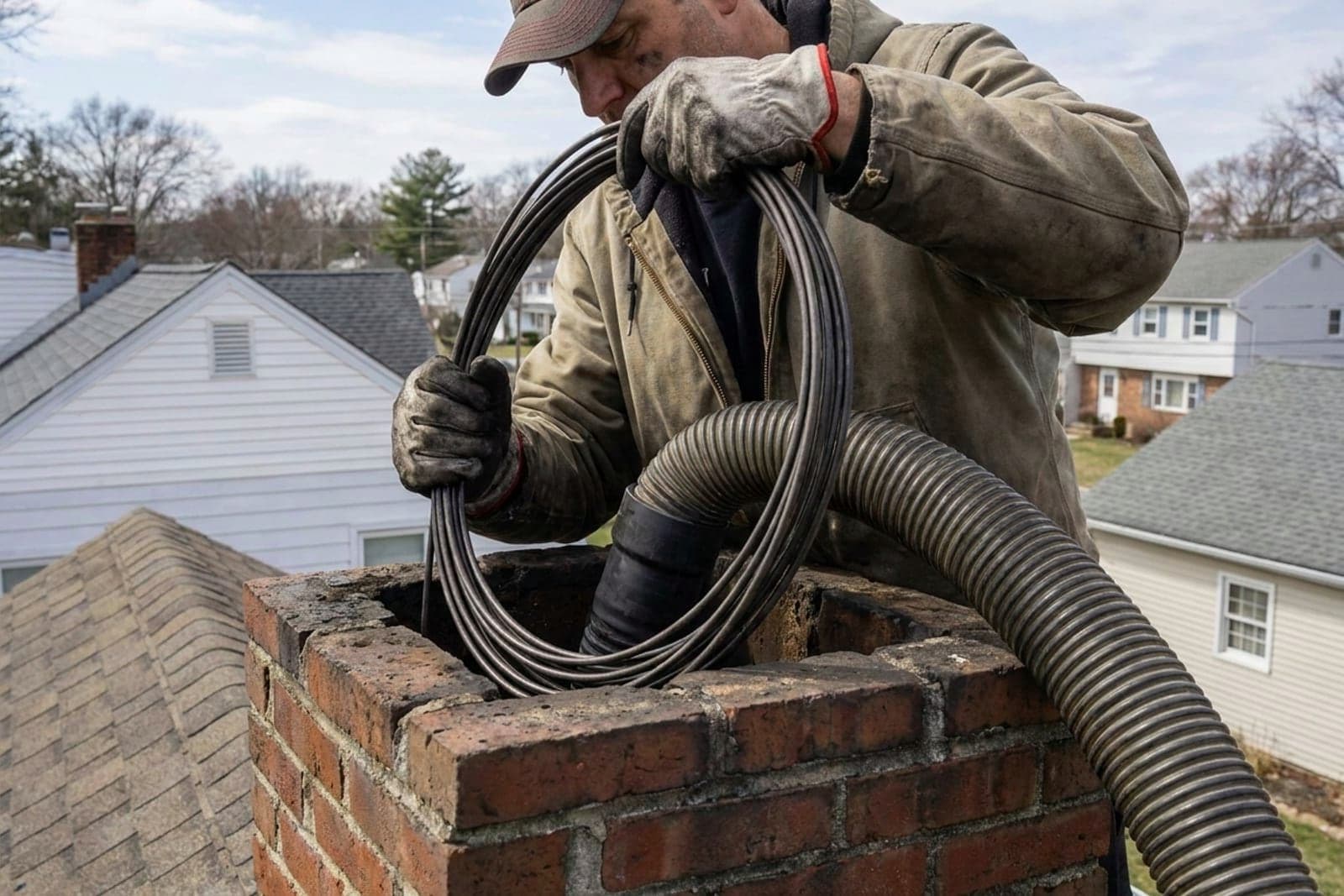
Chimney sweeping in Kirkland, WA costs $189–$350 for a standard visit because the price covers specialized rotary-brush equipment, a HEPA vacuum system to contain ash and creosote inside the home, and a trained CSIA-certified technician who performs a simultaneous NFPA 211 Level 1 inspection — not simply a cleaning. Homes with heavier creosote buildup, taller chimneys, or difficult roof access add to the base cost.
What is the best time of year to schedule chimney maintenance in Kirkland?
The best time to schedule wood-burning fireplace maintenance in Kirkland, WA is July or August, before the fall burn season begins. Late-summer scheduling avoids the autumn backlog of appointments, gives masons enough dry weather to complete any mortar or crown repairs before rain returns, and ensures the fireplace is ready before the first Puget Sound Clean Air Agency curtailment-free cold snap of the year.
Do I need a chimney inspection every year even if nothing seems wrong?
Yes — NFPA 211, the national chimney safety standard, requires that chimneys used for solid-fuel appliances receive a professional inspection at least once per year regardless of visible symptoms. In Kirkland, WA, many serious defects such as cracked flue tiles, eroded mortar joints, and early-stage glazed creosote are not visible to a homeowner from the firebox opening and are only identified with the tools and training of a CSIA-certified sweep.
Related services