Kirkland & the Northshore, WA
Creosote removal in Kirkland takes out hardened, glazed deposits that an ordinary sweep cannot lift from the flue walls.
Our price
From $245
Book an inspection
Book your $99 inspection
$99 plus tax, deducted when you approve the repair
Not sure where to start
Pick what you're seeing — we'll point you to the right fix.
What we do
Sweeping, inspection, relining and masonry — one local crew for the whole chimney.
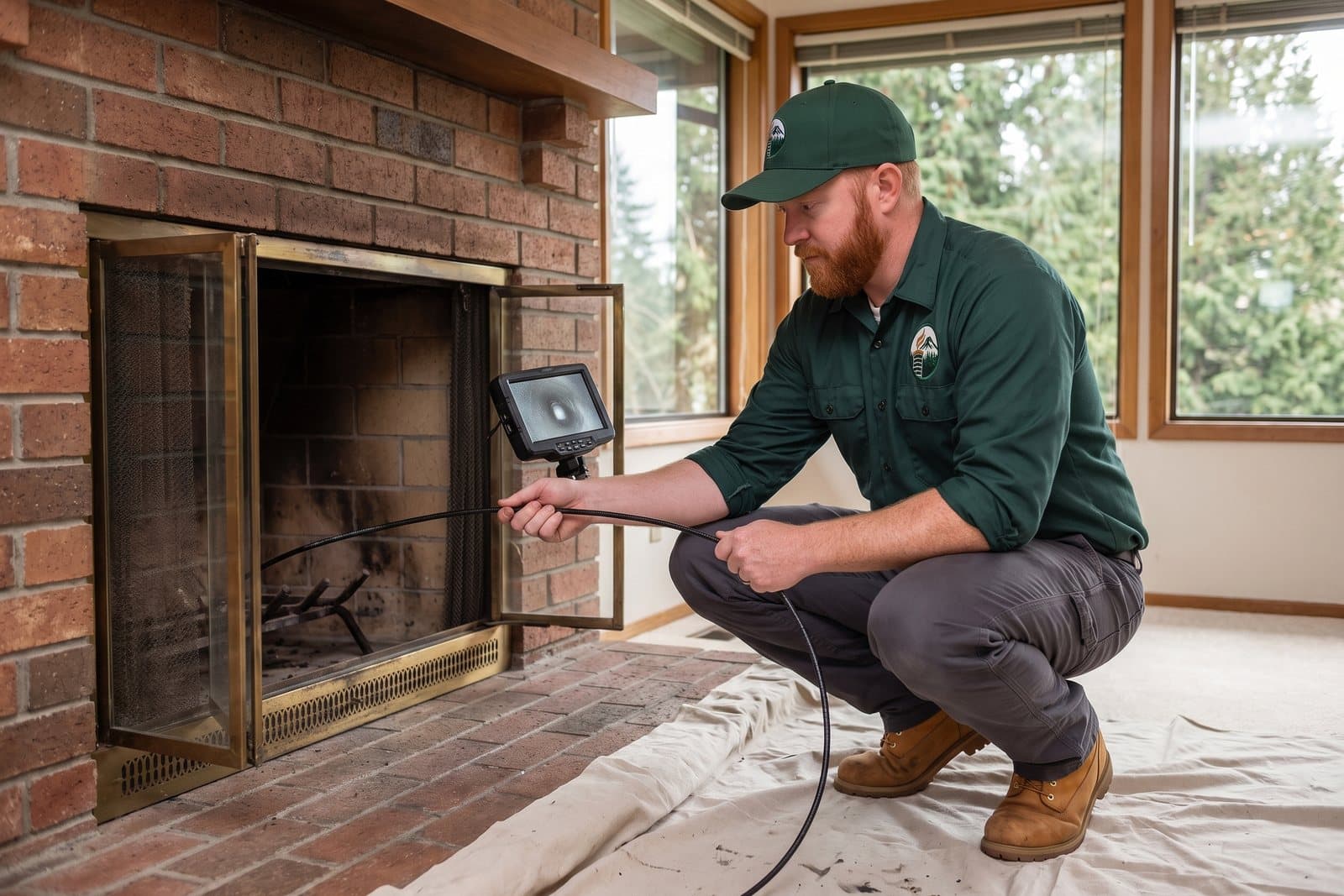
A chimney inspection in Kirkland shows whether the flue, liner, crown and flashing are sound before you light a fire, sell a house or head into another wet season.
Learn more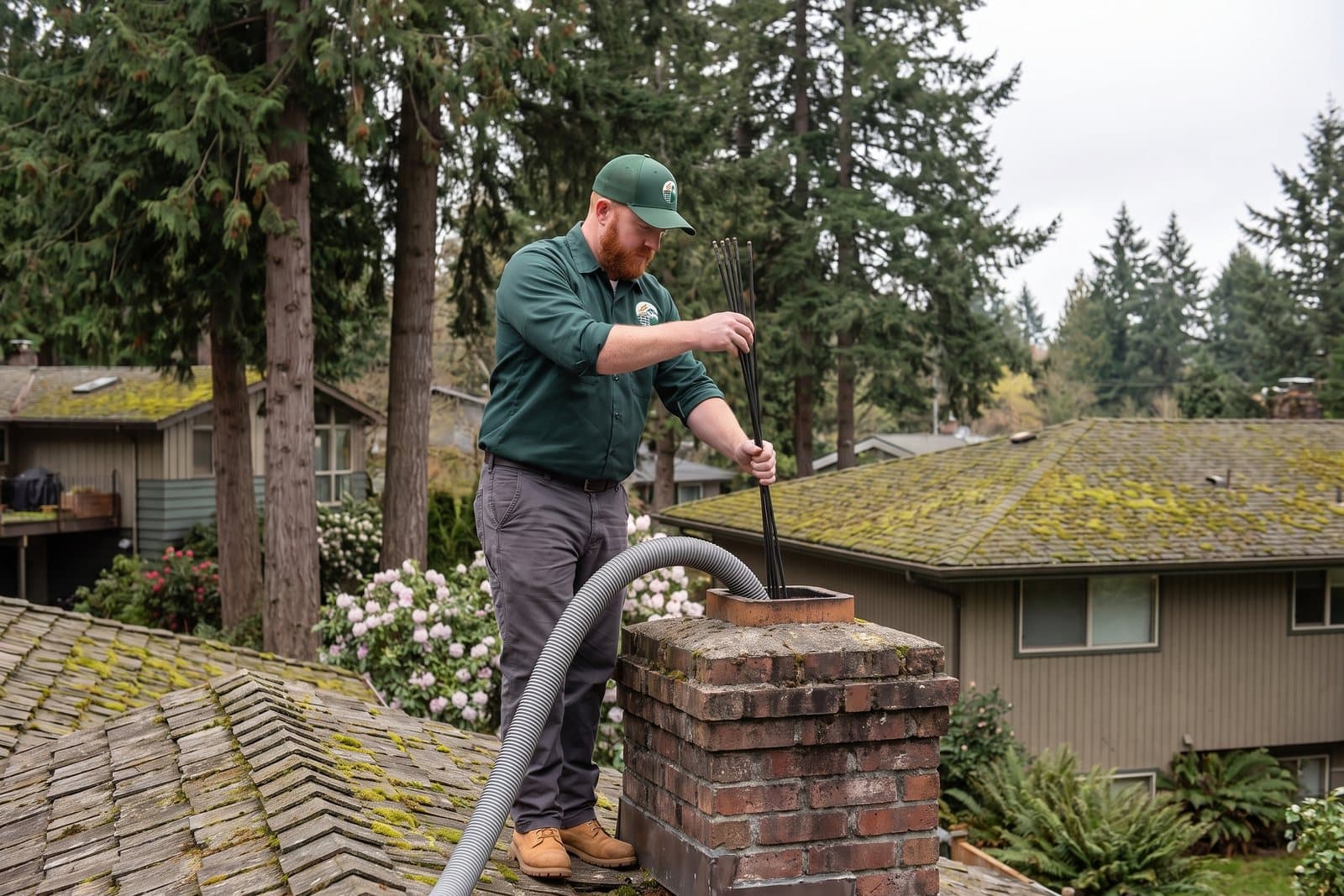
A chimney sweep in Kirkland takes out the soot and creosote that a winter of fires leaves in the flue, so the next season starts with nothing in there to burn.
Learn more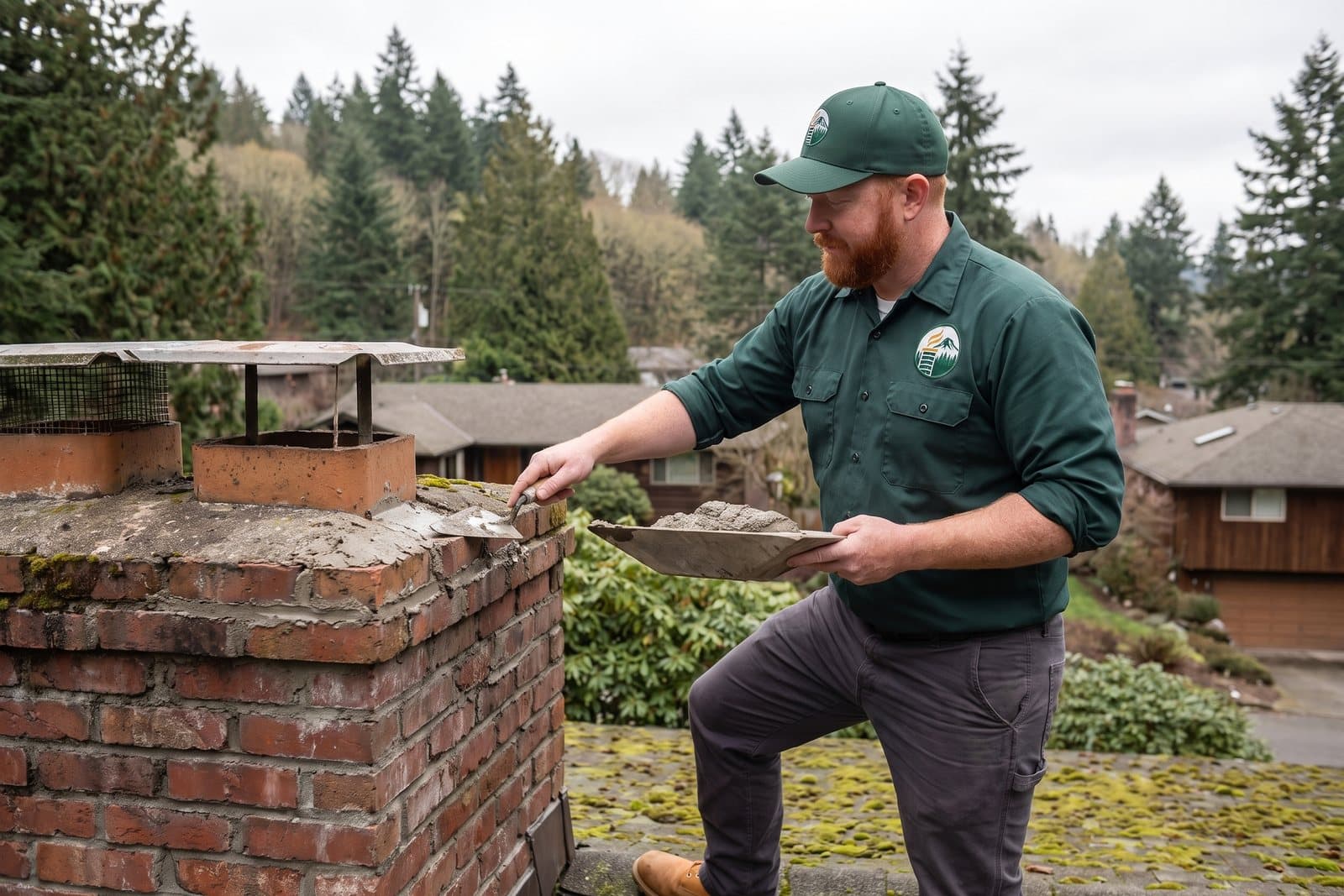
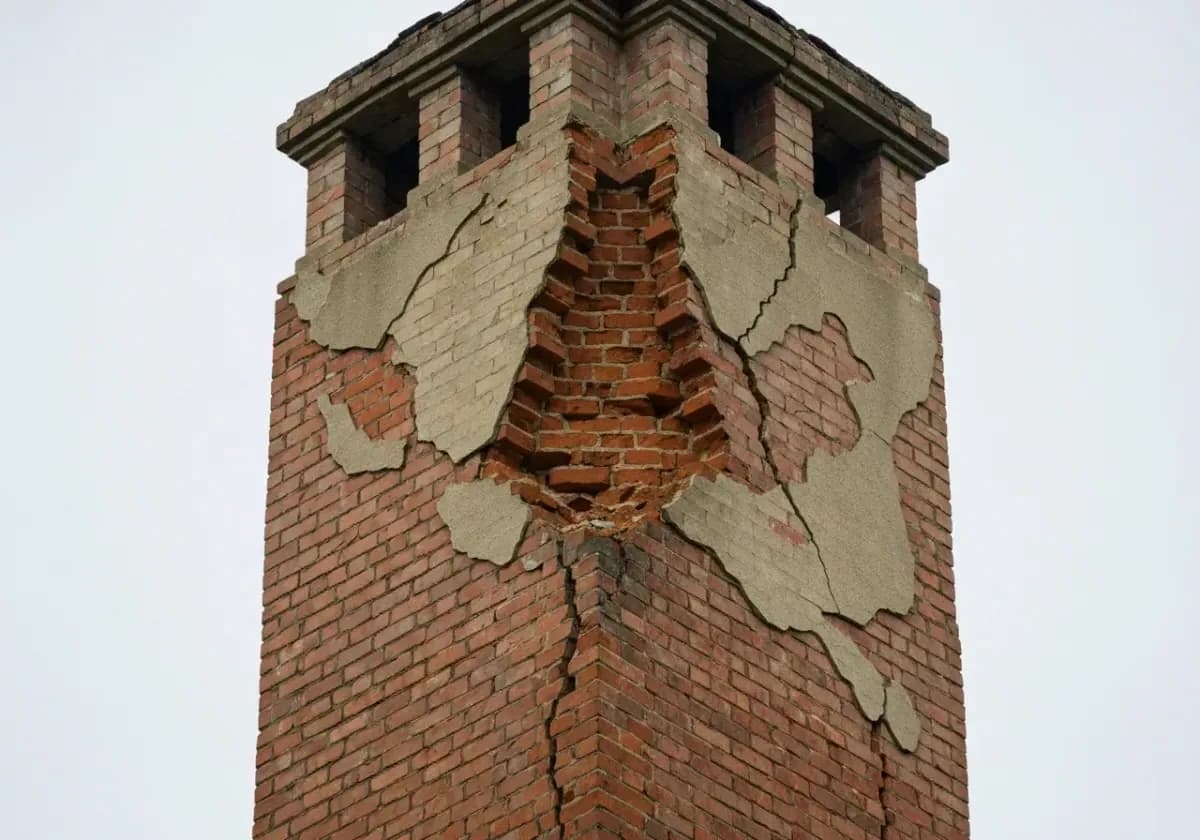
Chimney repair in Kirkland fixes the brickwork, firebox and structure of a chimney that is letting in water or losing its shape.
Learn more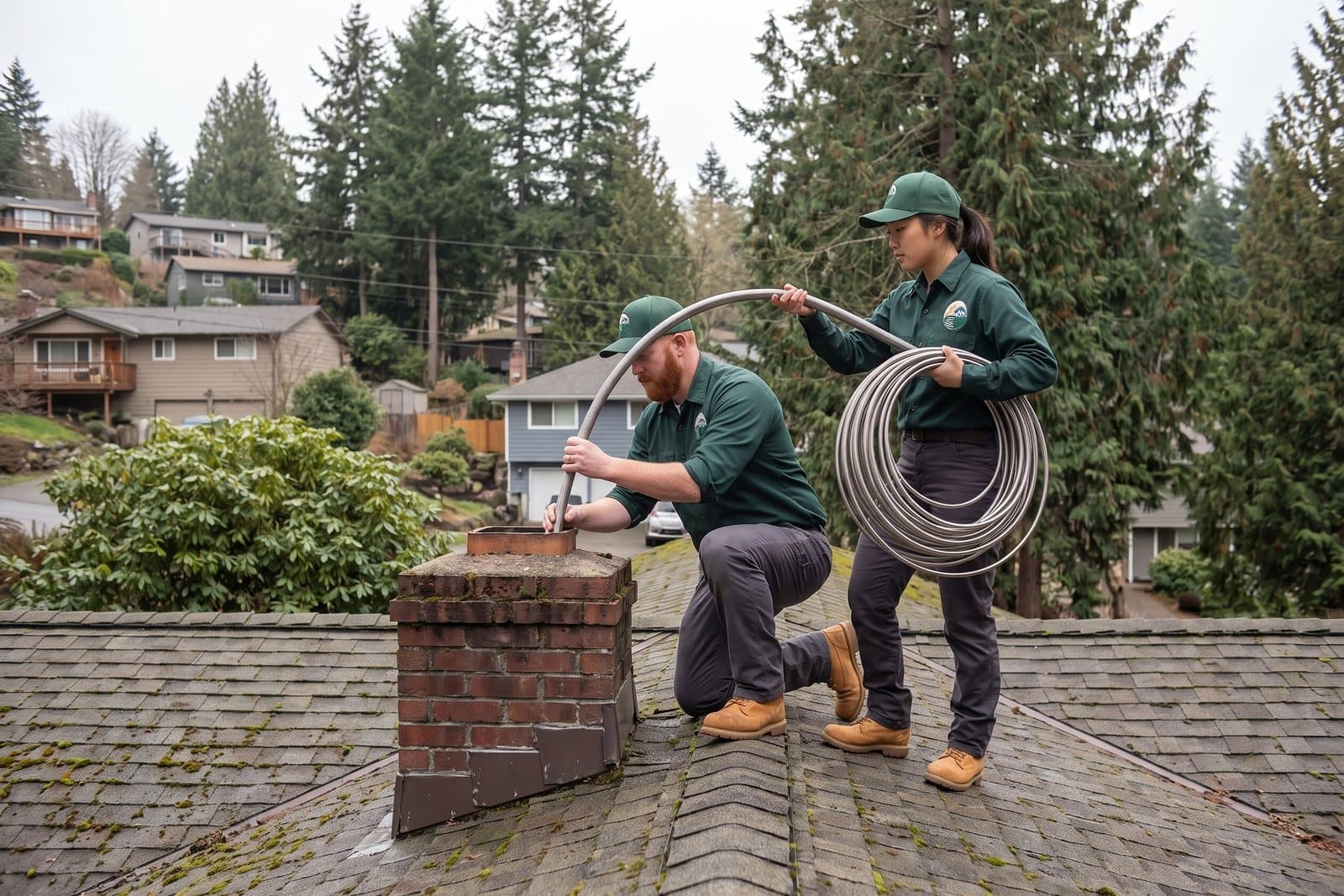
Chimney relining in Kirkland puts a new stainless liner inside a flue whose clay tiles are cracked, missing or the wrong size for the appliance.
Learn more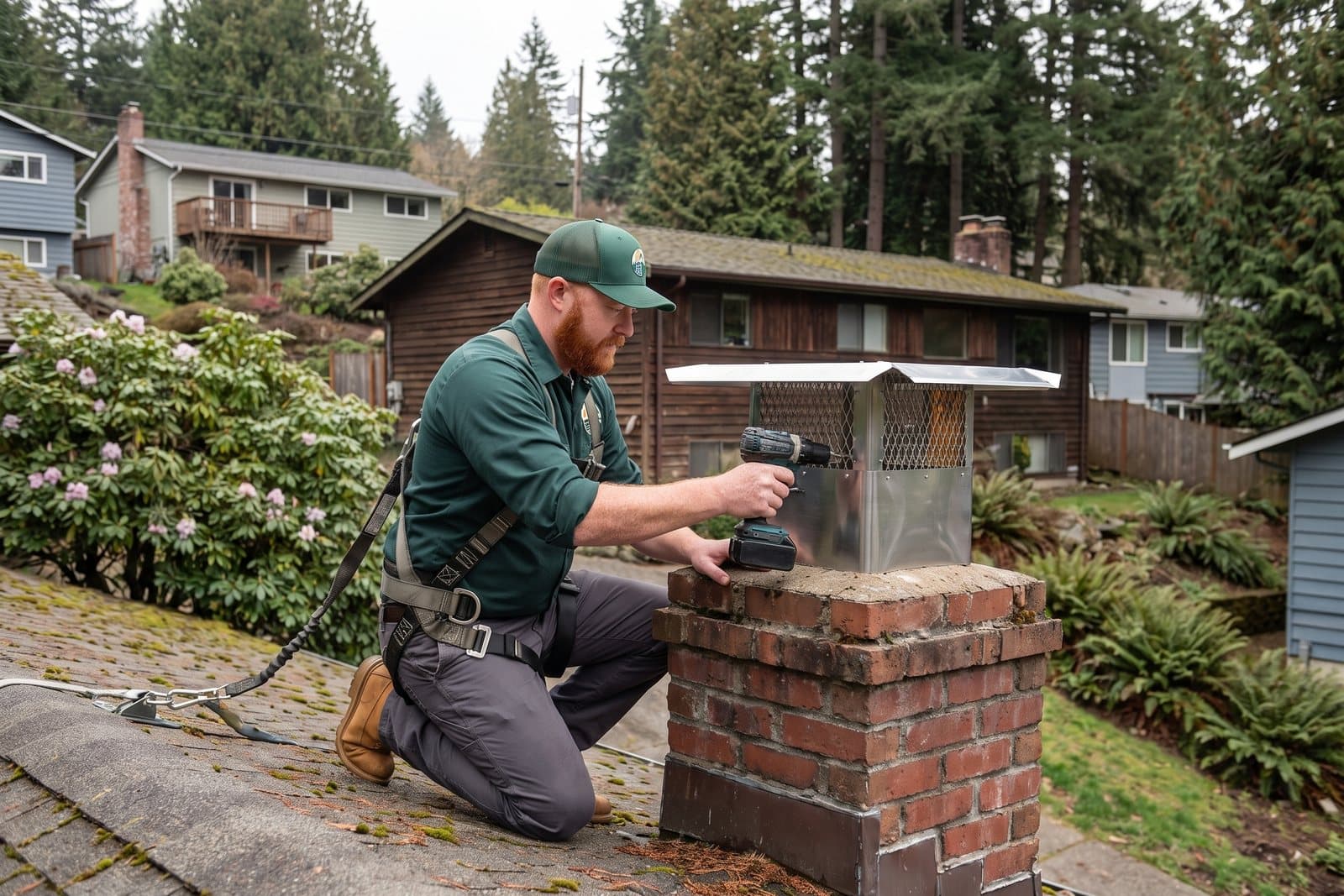
A chimney cap installed in Kirkland keeps rain, leaves and nesting animals out of the flue and, with a screen, stops sparks from leaving it.
Learn more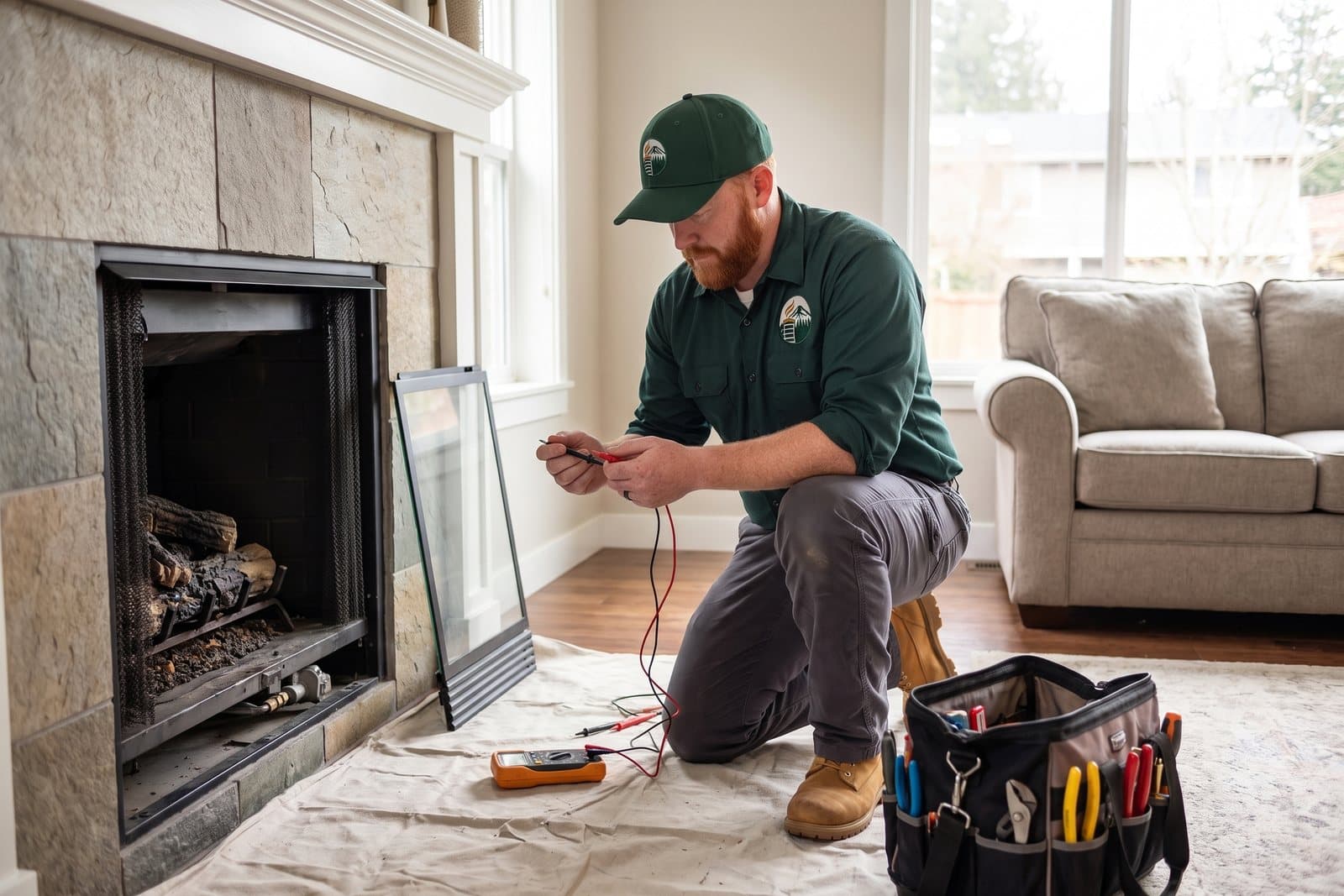
Gas fireplace service in Kirkland covers the burner, pilot, logs, glass and venting, so the fireplace lights reliably and sends its exhaust outside.
Learn moreRanges shown for orientation — the exact figure is written up on-site, after the inspection.
Creosote builds in three stages. The first is loose soot, the second crusty flakes, and the third a hard, shiny glaze that coats the flue like tar. That glaze is the dangerous one: it burns intensely once lit and a brush slides right over it. It forms fastest in flues that run cool, from wet wood, slow smoldering fires, or a flue much wider than the stove it serves. We identify the stage with a camera, apply a treatment that breaks the glaze down, and then remove it mechanically, with photos along the way.
Fireplaces used mainly for a weekend evening, common in the lake houses we visit, tend to see short, low fires, and those cool burns are exactly what builds glaze. If that describes your fireplace, ask us to check for it on the next inspection.
Glazed creosote is concentrated fuel on the inside of the flue. The Washington State Fire Marshal reported that Washington recorded 6 fire deaths from home heating sources in the year before its September 2026 update, and its advice starts with annual inspection and cleaning.
A chimney fire in a glazed flue can burn fiercely enough to crack liner tiles, damage the masonry and ignite framing next to the chimney. Some burn loudly, others smolder unnoticed and leave damage only a camera will find. Because glazed creosote is hard to remove, it keeps building over the old layers unless it is treated. The fix has two halves: remove the deposit, and change what made it, such as wet wood, low fires or an oversized flue. Washington already requires dry, seasoned wood or manufactured logs, which is the single biggest help.
How it works
The camera tells us whether it is stage 2 flakes or stage 3 glaze, and how far it goes.
A treatment is applied that breaks the glaze into something removable.
Rotary tools clear the treated deposits down to the flue surface.
We explain what produced the buildup so it does not return.
Licensed& insured Washington chimney contractor
4 communitiesAcross the Northshore, King County
$99 plus taxInspection, credited toward an approved quote
Every jobDocumented with before-and-after photos
If any of these sound familiar, book the $99 plus tax inspection — credited toward the work if you approve the quote:
By town
The 4 Northshore communities we serve. Pick yours for local scheduling and the chimney issues we see there.
Before and after
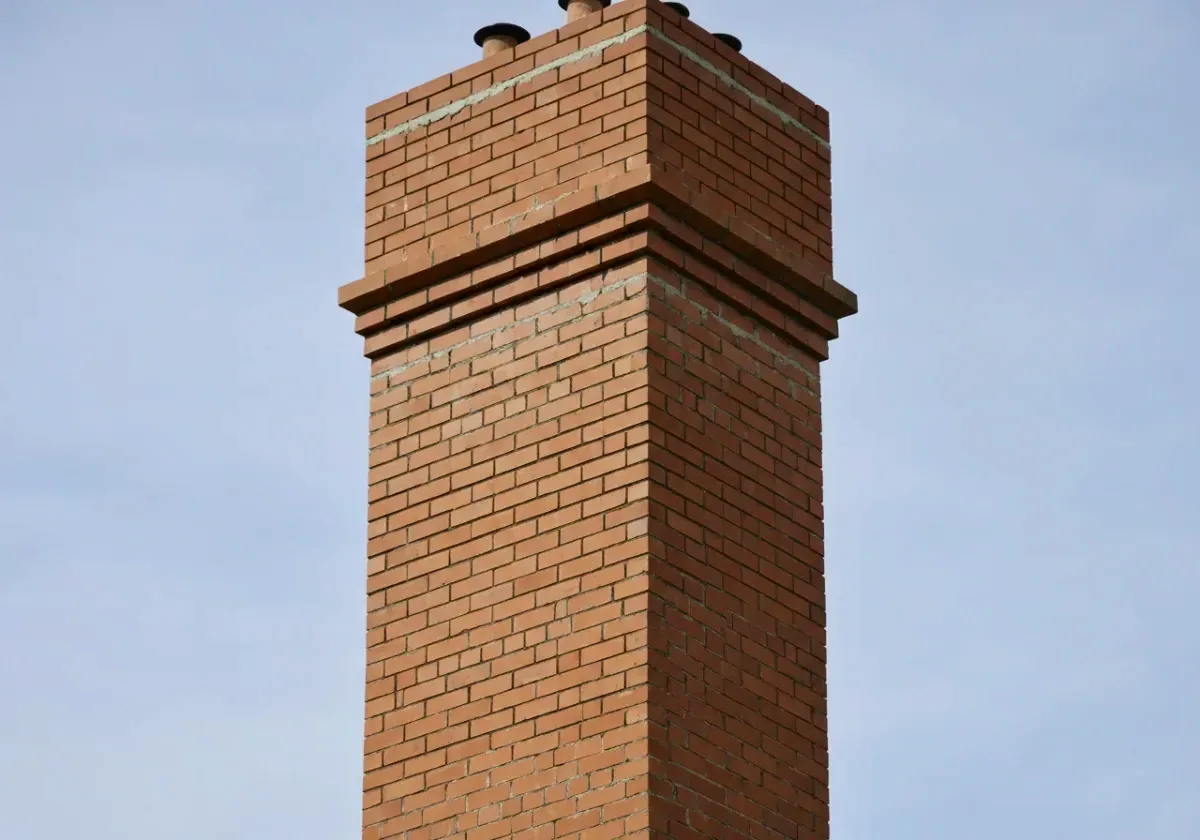
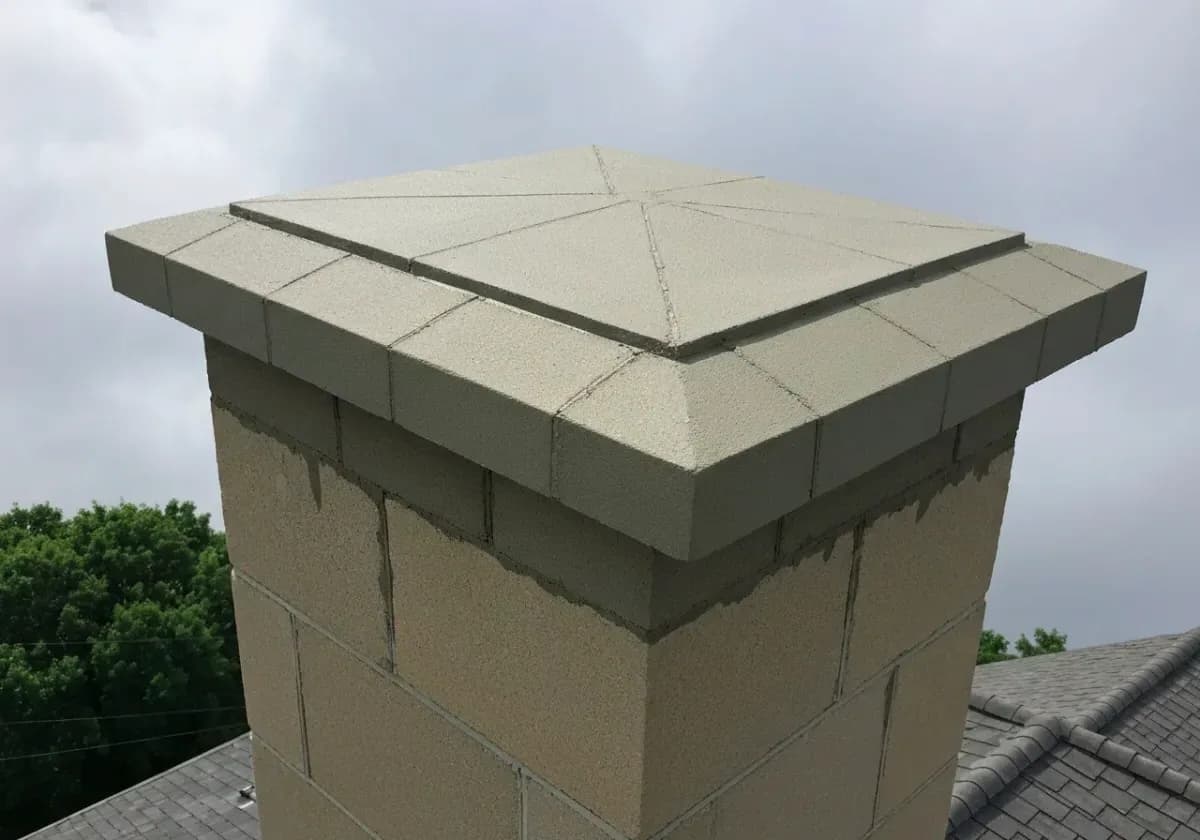
Illustrations of what each repair changes on a typical chimney — not photos of a specific job.
 Before
 After
After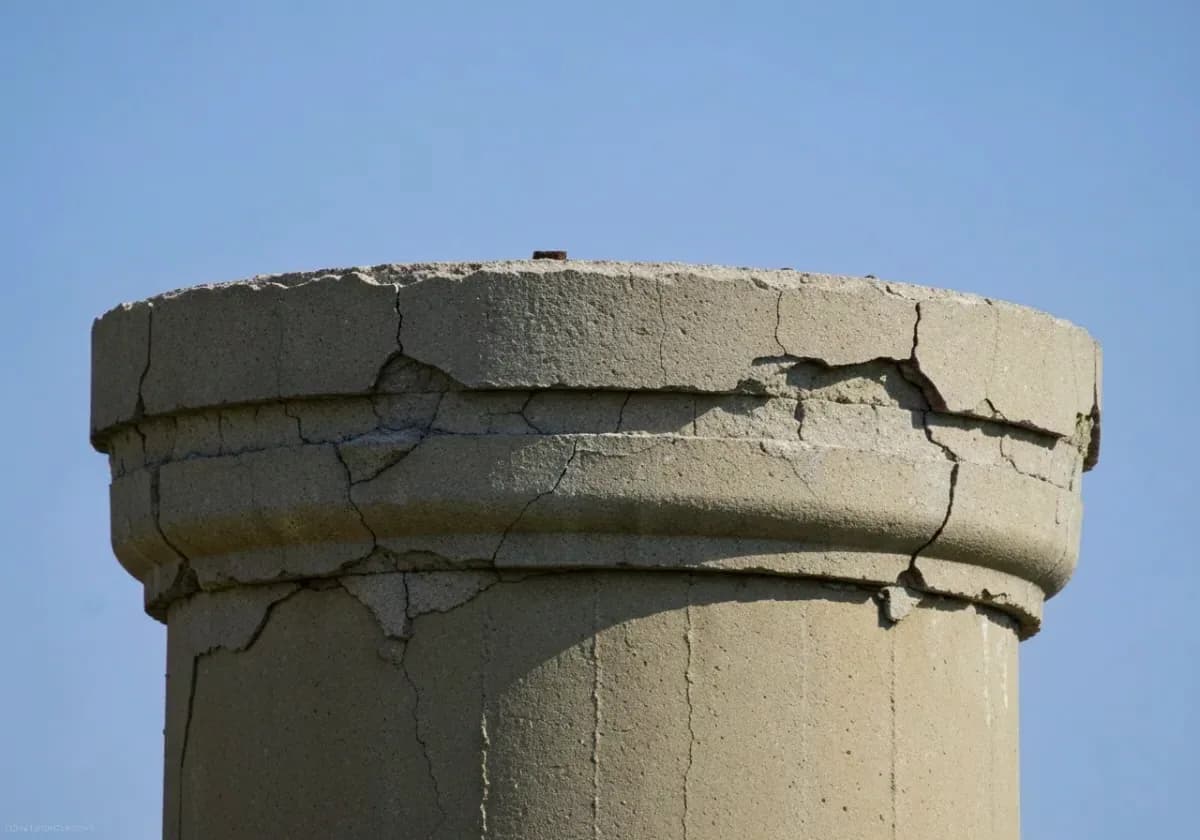 Before
 After
After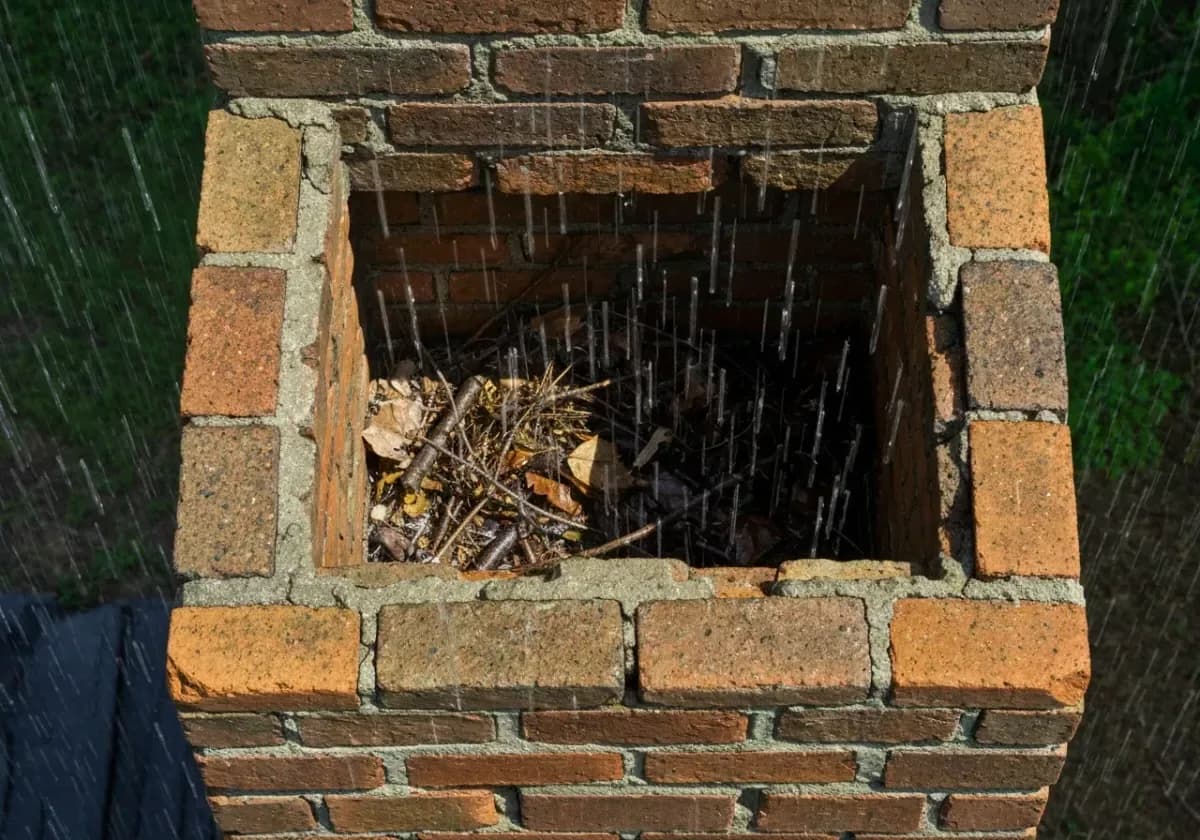 Before
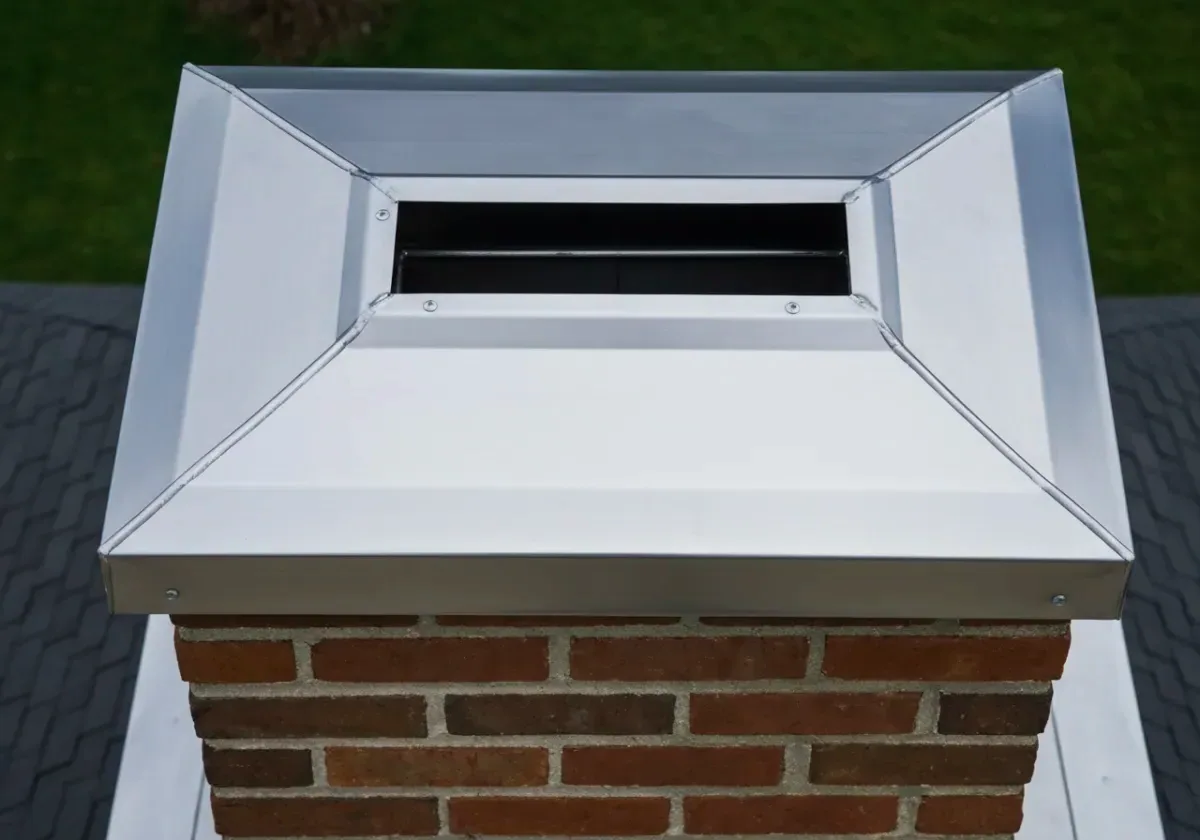 After
After
Four steps, each one on paper — so you always know what happens next.
Choose a genuine opening on the crew's calendar. Confirmation is immediate.
Liner, crown, cap, flashing and masonry examined in order — each finding photographed.
One document, plain numbers, covering only the work your chimney genuinely needs.
The repair is completed, then handed over with before-and-after photos of every item.
Before you let anyone in
Every fact below is one you can check yourself before we ever set foot on your roof.
The on-site inspection is $99 plus tax, and it is credited toward the work when you approve the written quote. Booking online asks for no card.
You get the price in writing, for the work your chimney actually needs, and nothing starts until you have approved it.
Each item we inspect or repair is photographed before and after, so the condition of your chimney is on record.
Call (425) 793-2992 — a local Northshore number, the same one on every page of this site.
Licensed& insured Washington chimney contractor
4 communitiesAcross the Northshore, King County
$99 plus taxInspection, credited toward an approved quote
Every jobDocumented with before-and-after photos
Serving the Northshore, Kirkland to Woodinville
It is creosote that has hardened into a glossy, tar-like glaze on the flue walls. It is the most flammable stage and the hardest to remove.
Yes. It is its own service, priced from $245 (a sweep is $189–$459). Stage 3 glaze over a long stretch of flue takes more treatment and time than scattered deposits.
Not reliably. Brushes slide over the glaze. It needs a treatment to break it down before it can be removed.
Stick to seasoned, dry logs, let the fire breathe so it burns hot instead of smoldering, and make sure the flue matches the appliance. Yearly sweeps take care of the rest.
Leave the fireplace cold and get it inspected. A chimney fire can crack liner tiles and damage masonry without leaving signs you can see from the room.
See creosote removal pricing in detailMore chimney questions
A chimney sweep in Kirkland takes out the soot and creosote that a winter of fires leaves in the flue, so the next season starts with nothing in there to burn.
Learn moreA chimney inspection in Kirkland shows whether the flue, liner, crown and flashing are sound before you light a fire, sell a house or head into another wet season.
Learn moreChimney relining in Kirkland puts a new stainless liner inside a flue whose clay tiles are cracked, missing or the wrong size for the appliance.
Learn more| Service | Price in Kirkland | What that covers |
|---|---|---|
| Creosote Removal | From $245 | Priced by creosote stage — glazed stage 3 is the heavy end |
| Chimney Sweep | $189–$459 | Full flue swept, Level 1 inspection included |
| Chimney Inspection | $99 plus tax | Level 1 visual; Level 2 adds a full camera scan |
| Chimney Relining | From $1,900 | Full-length stainless liner, sized to the appliance |
Ranges are what these jobs are quoted at in Kirkland. The exact figure is set on site after a $99 inspection (credited toward the job if you go ahead), and you approve it before any work starts.
Licensed local crews, a $99 on-site inspection credited toward repairs, and a written quote before any work. Book a real open slot on our calendar.