Kirkland, King County
Kirkland is the city our company is named for, and the largest of the four Northshore cities we serve. It stretches along the eastern shore of Lake Washington, from the Houghton slopes up through Juanita and Finn Hill, and its chimneys are mostly brick stacks and framed chases from the decades after 1960. This page sets out what is particular about keeping a chimney sound here, and the public sources behind each point.
Book an inspection
Book your $99 inspection
$99 plus tax, deducted when you approve the repair
Not sure where to start
Pick what you're seeing at your Kirkland home — we'll point you to the right fix.
What we do
The same crew, the same written quote — for Kirkland homes.
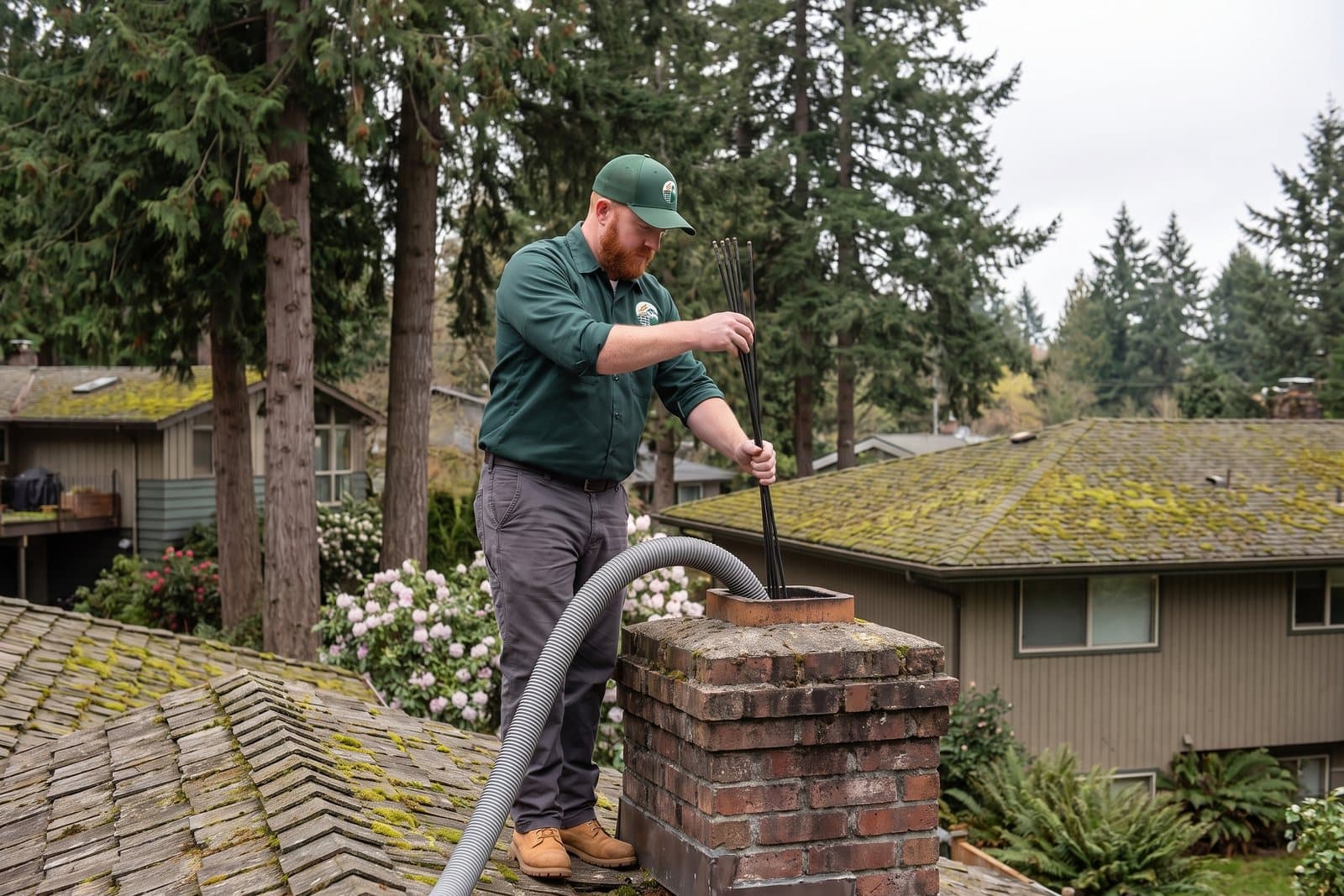
Rotary or rod brushing of the full flue, with the hearth covered and a HEPA vacuum running
Learn more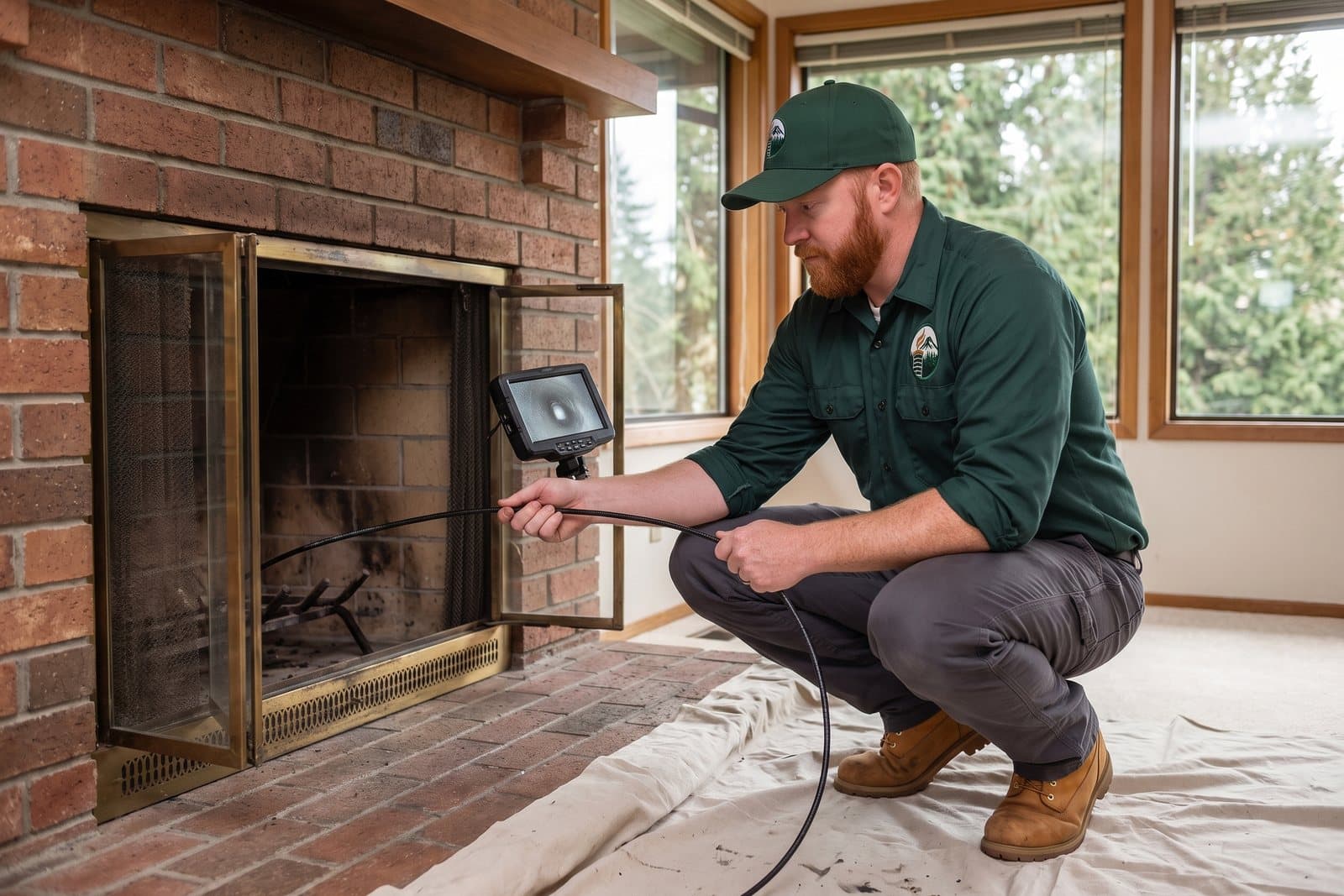
Level 1, or a Level 2 when needed, which means a video camera travels the full flue
Learn more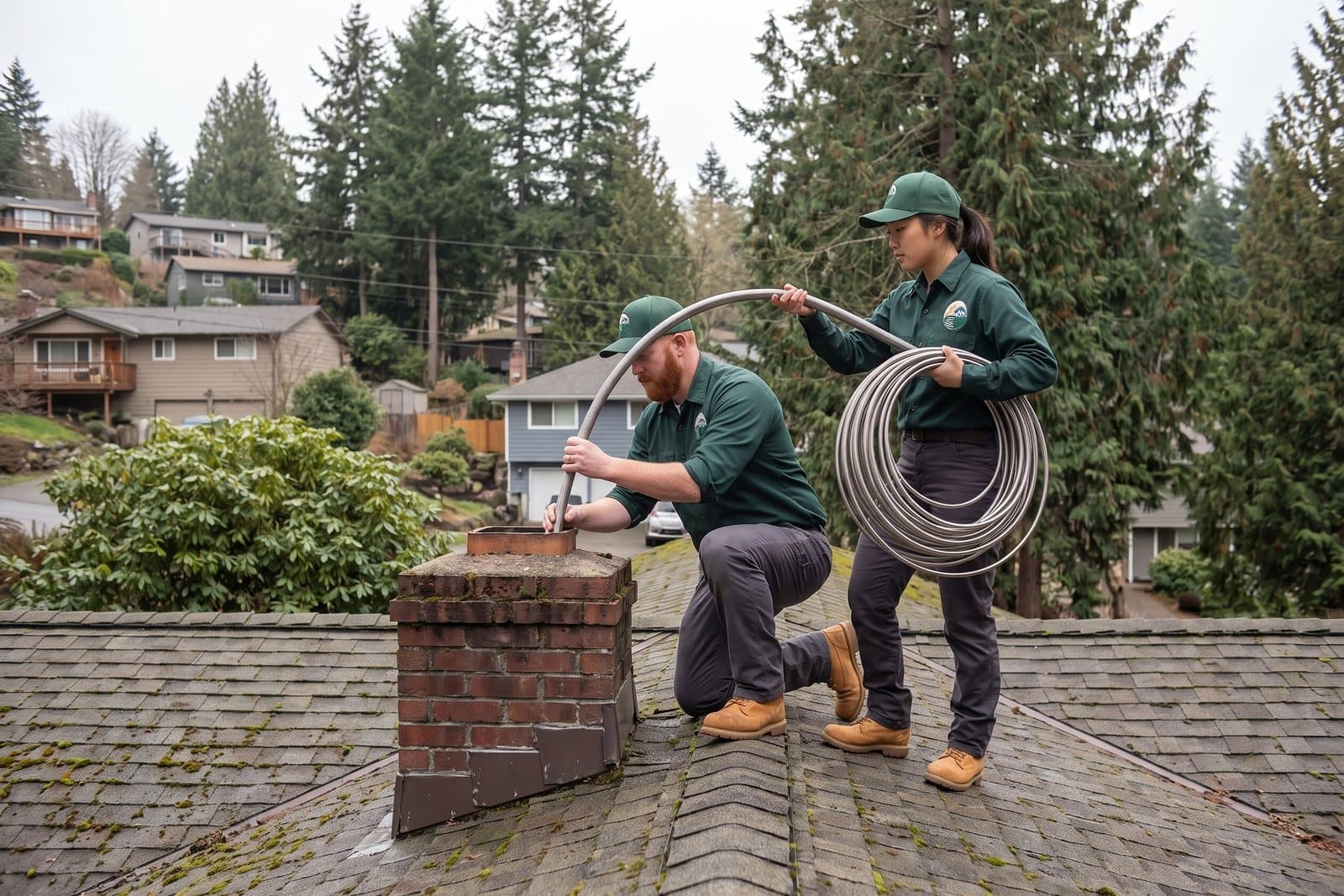
Camera scan and flue measurement before anything is ordered
Learn more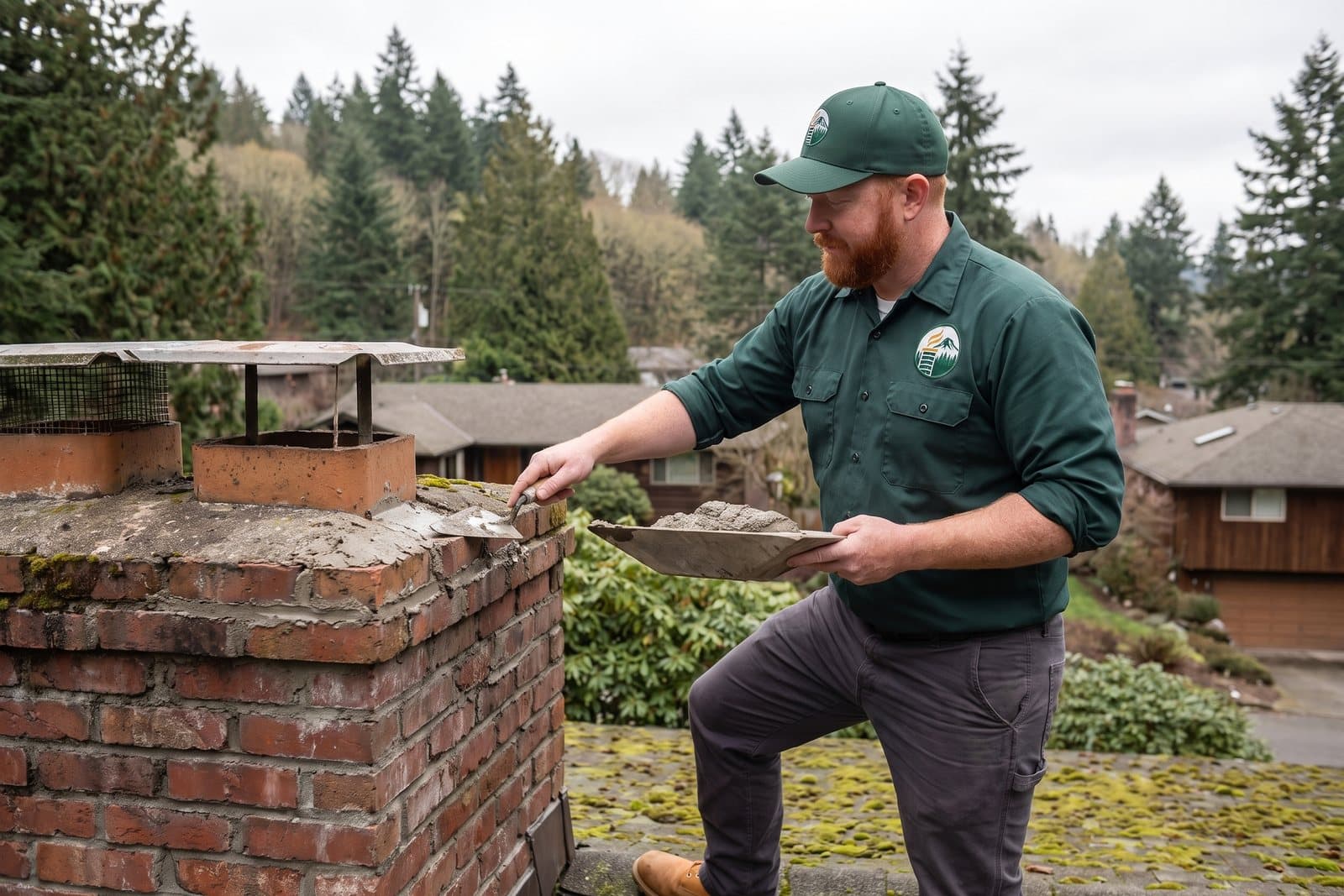
Replacement of cracked or spalled brick with a close color match
Learn more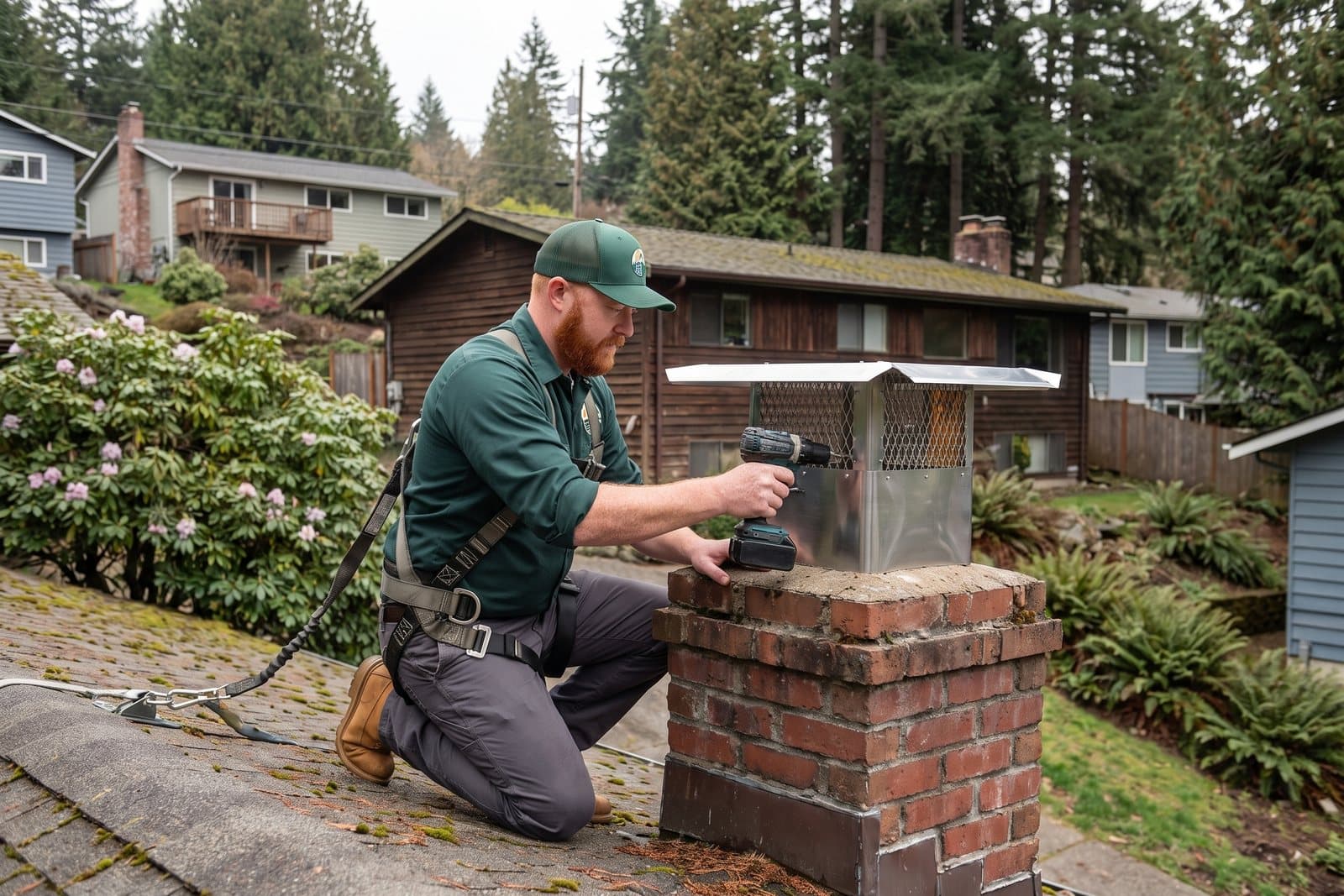
Measurement of each flue and of the crown before fitting
Learn more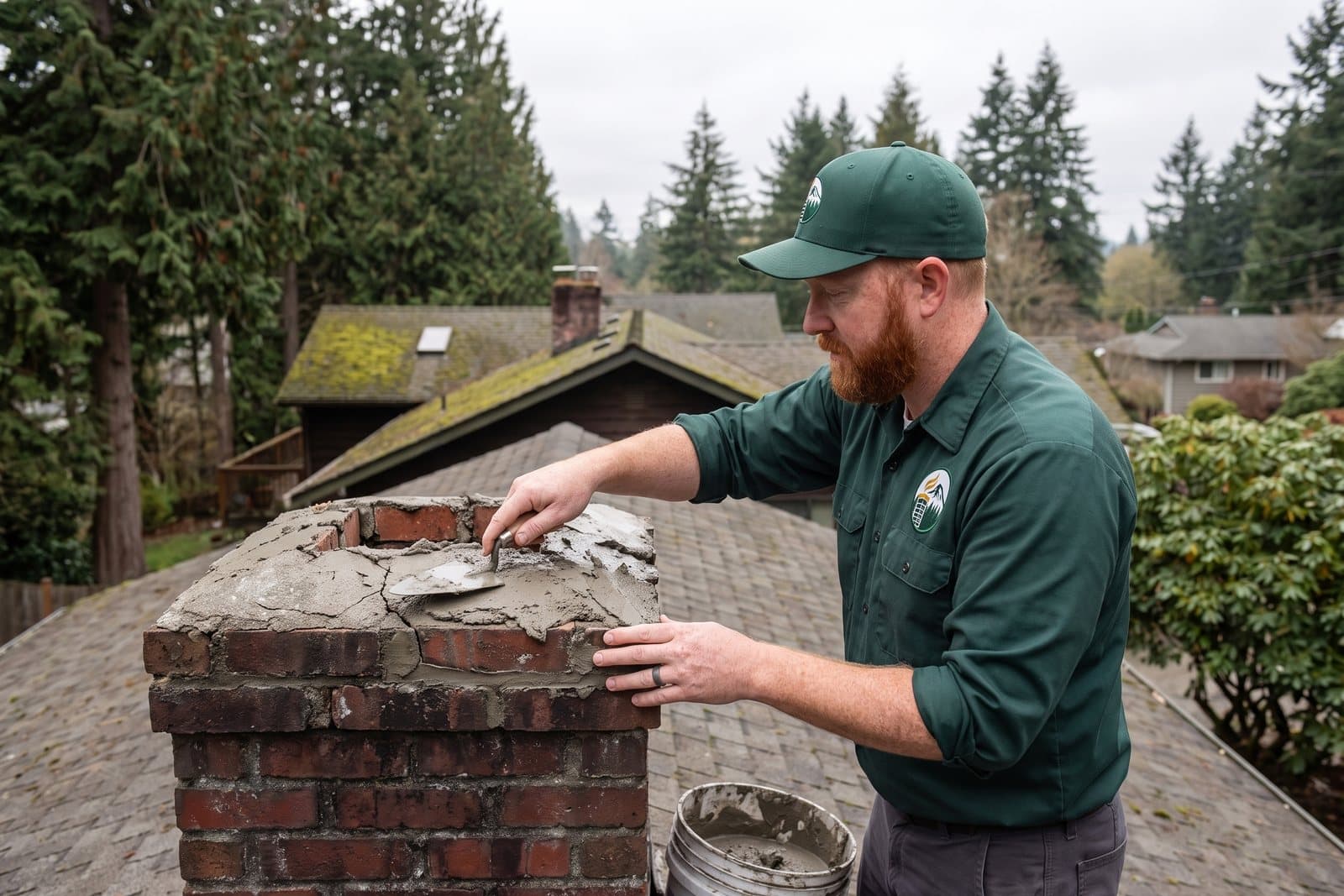
Crown rebuilt with a slope and a drip edge that throws water off
Learn more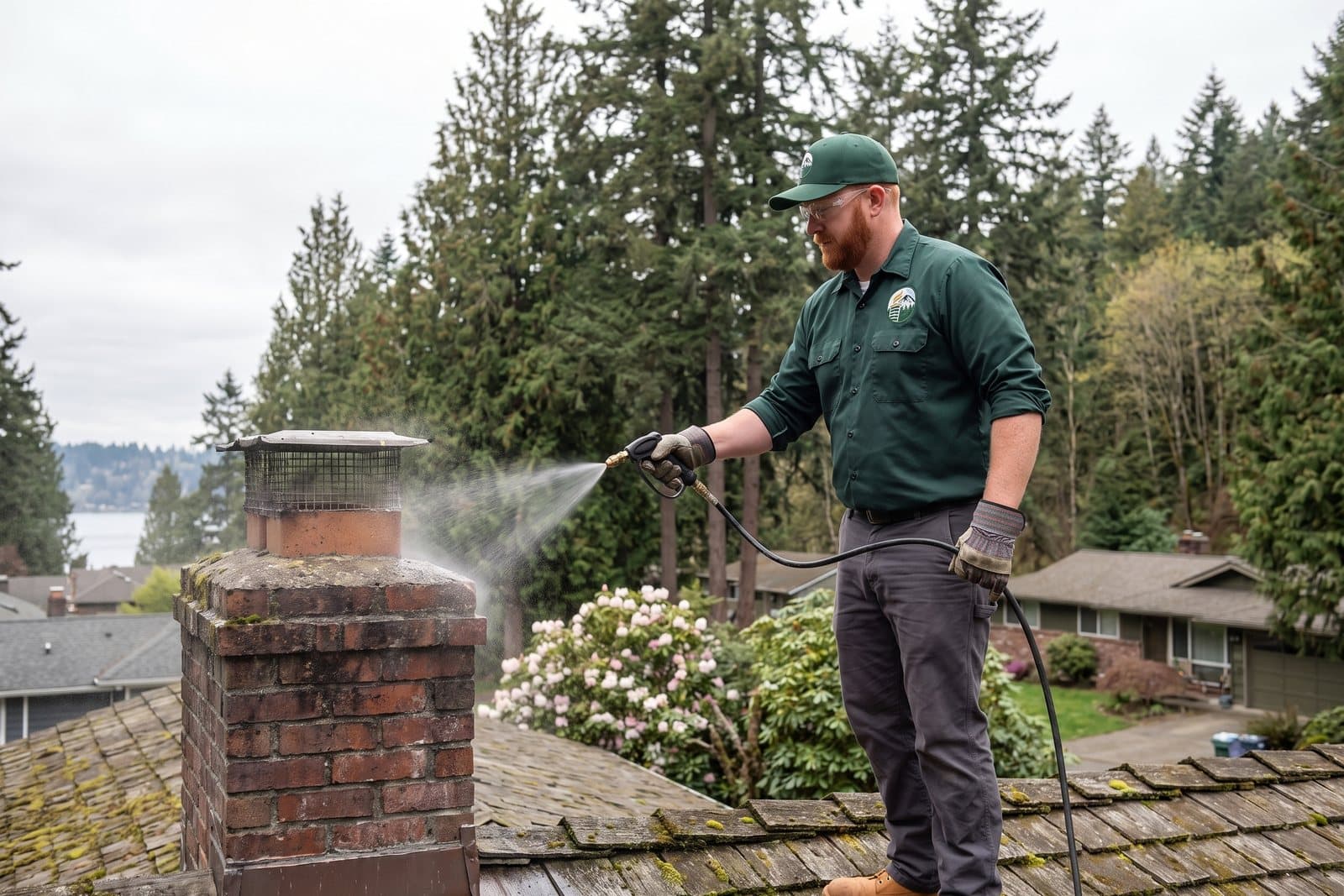
Cleaning of the brick before any treatment
Learn more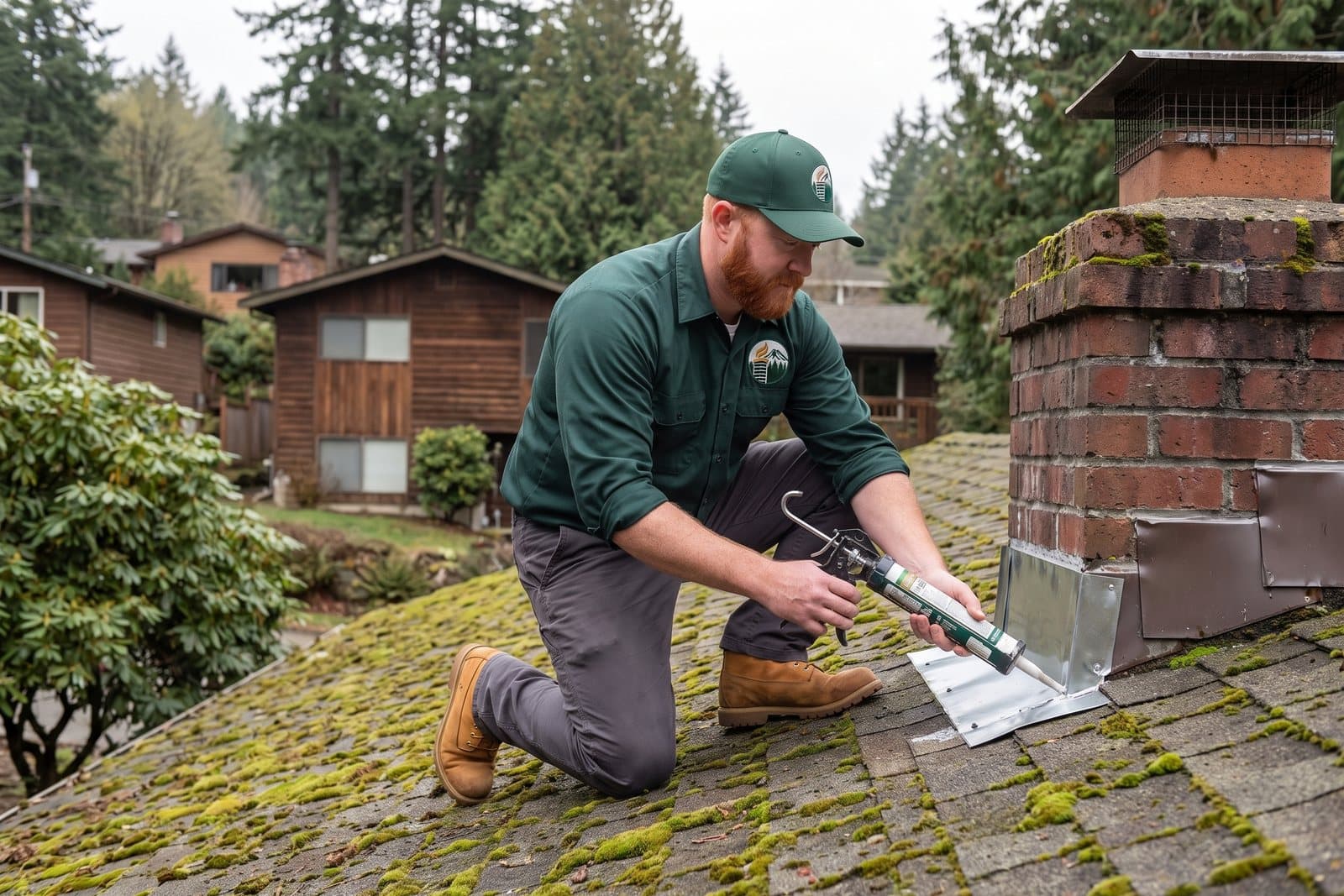
Check of step flashing, counter-flashing and sealant around the base
Learn more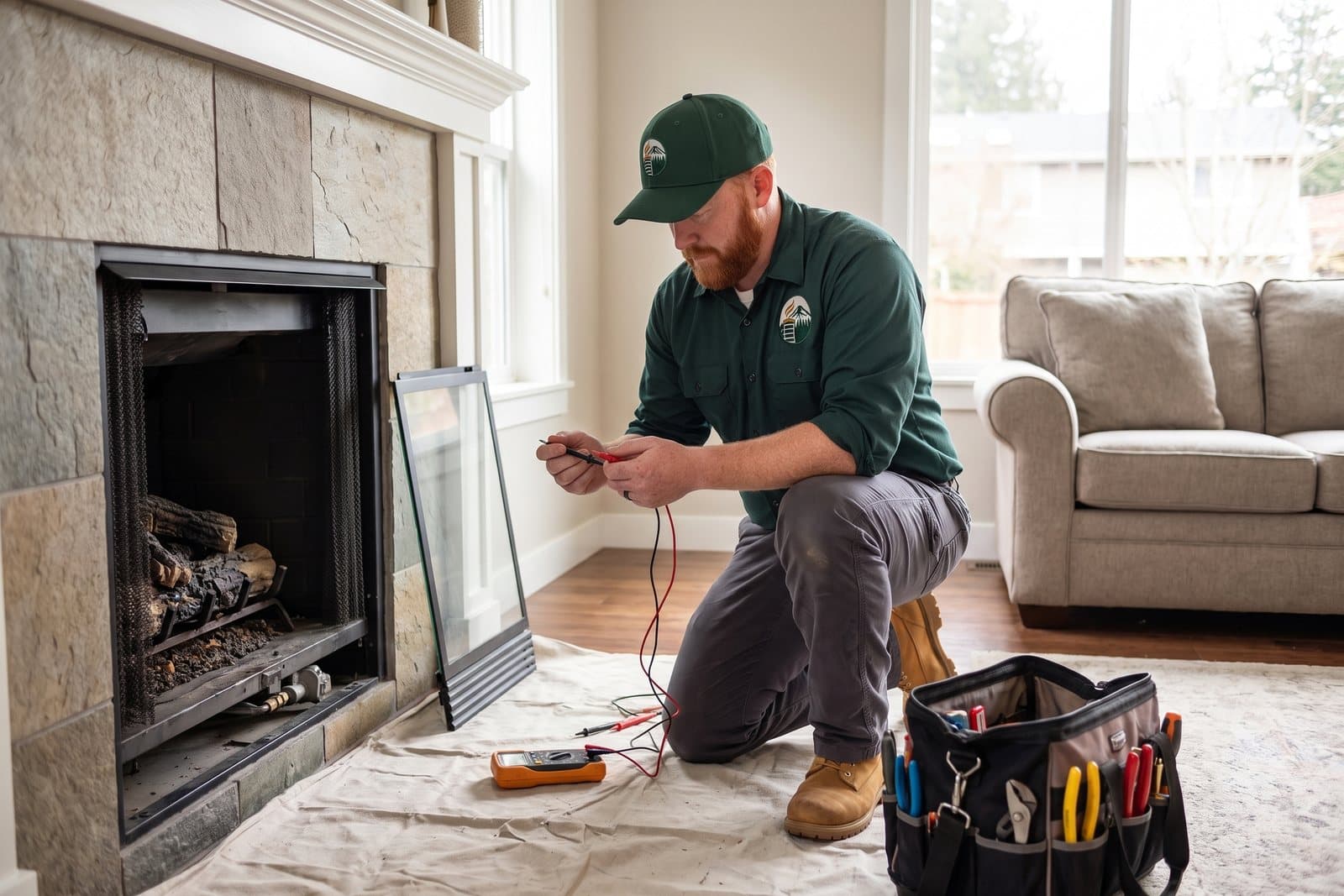
Burner, pilot assembly and thermocouple or thermopile cleaned and checked
Learn more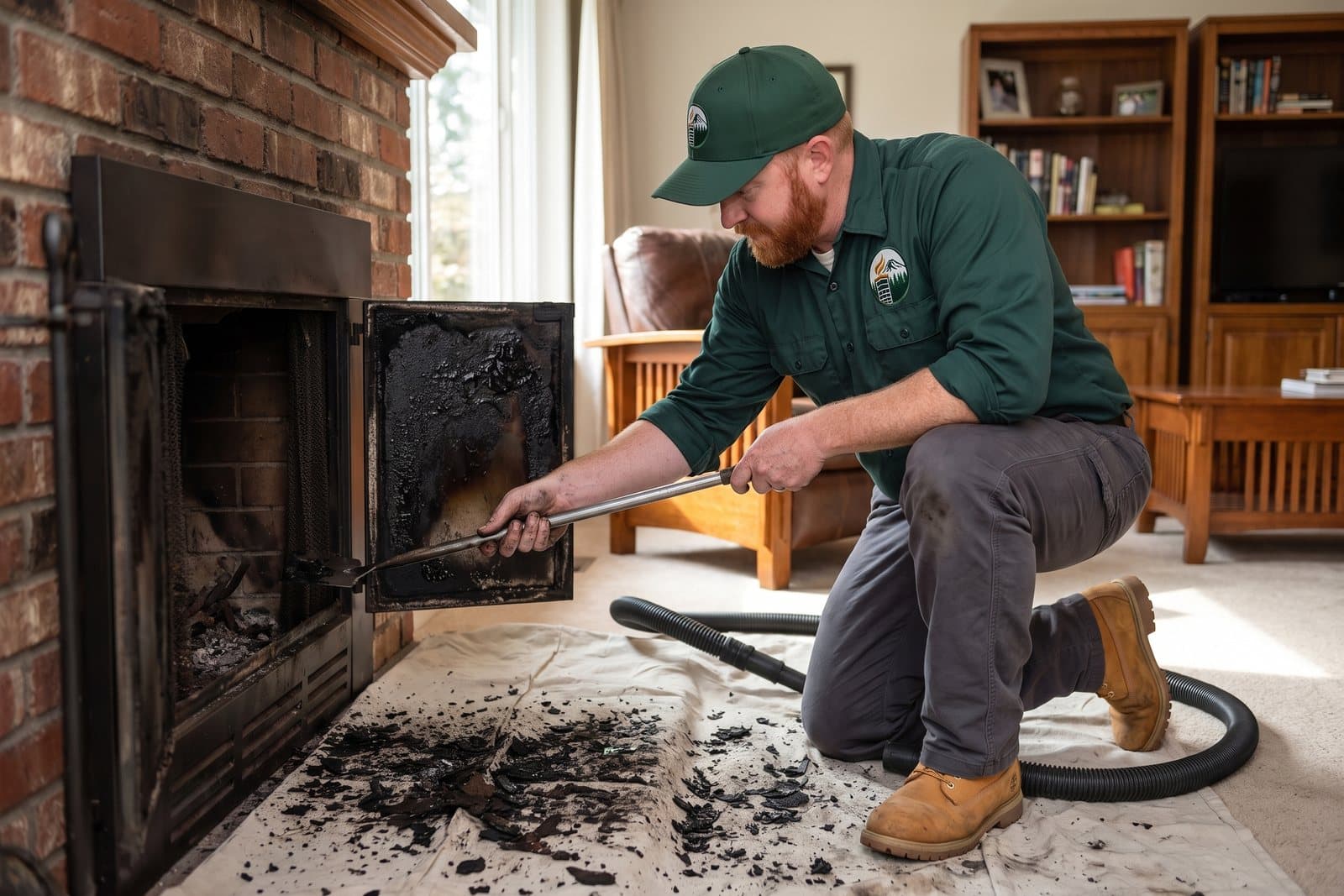
Camera check to confirm the stage and extent of the buildup
Learn more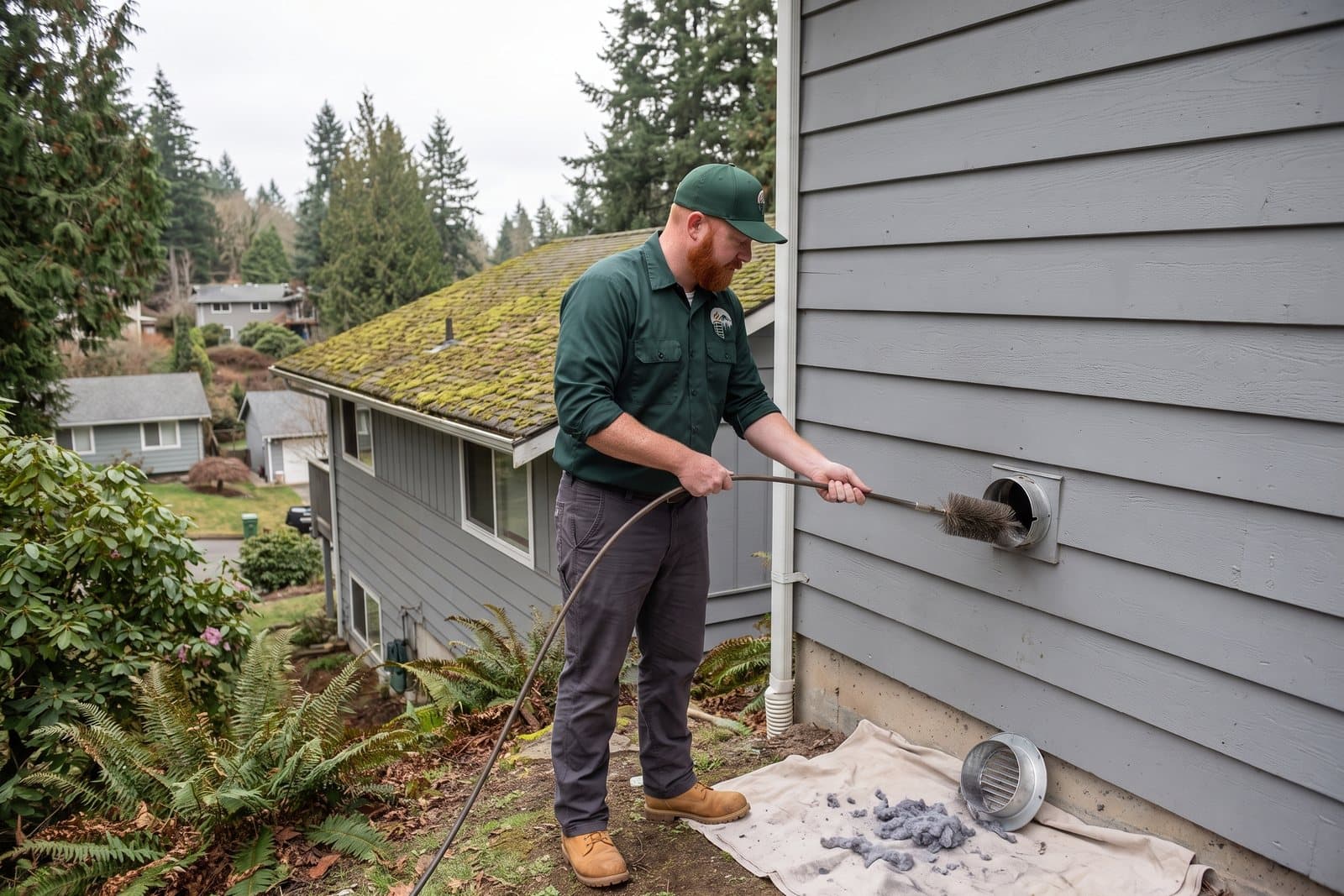
Full-length cleaning of the duct from the dryer to the outside
Learn more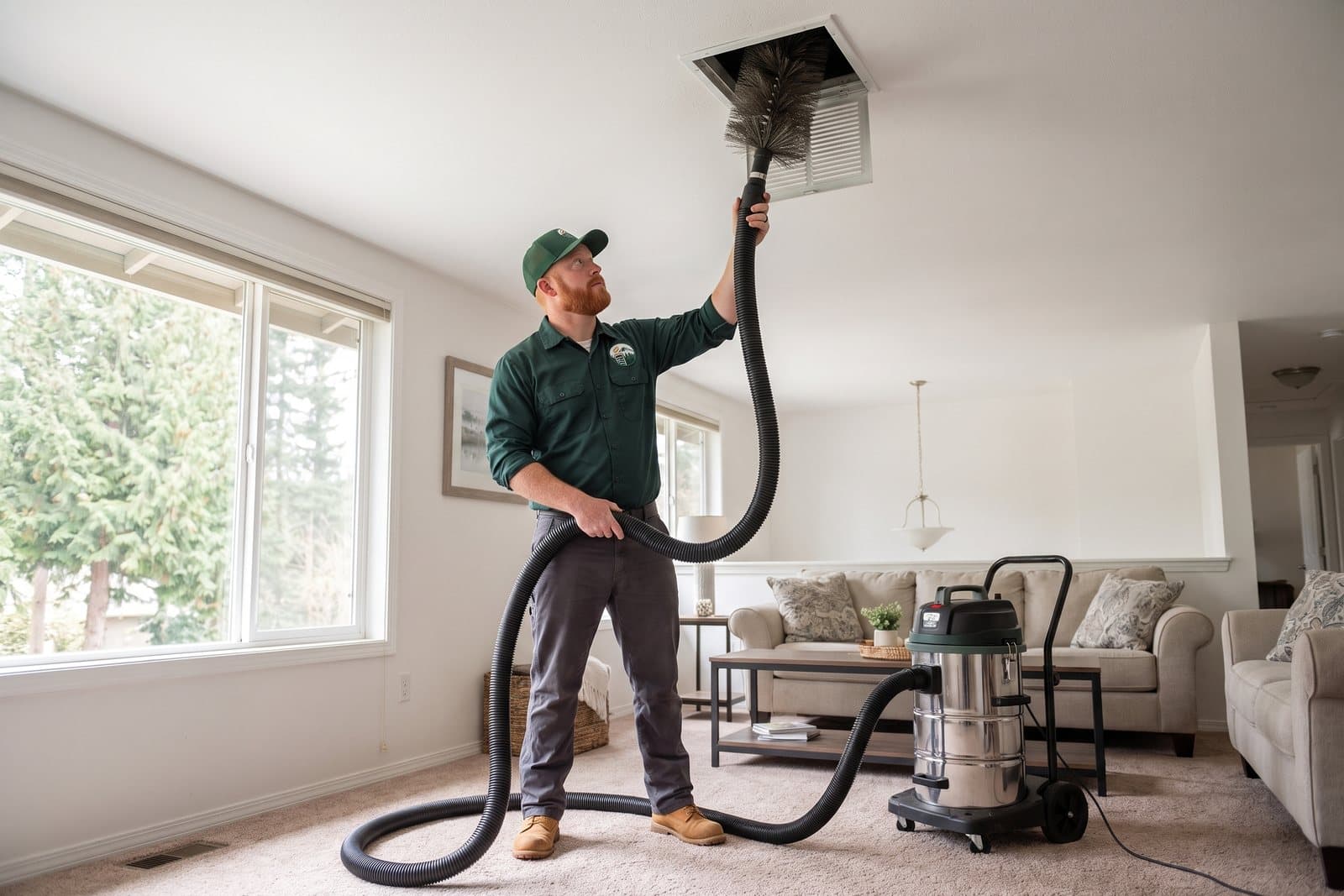
Negative-pressure cleaning of every supply and return run
Learn moreRanges shown for orientation — the exact figure is written up on-site, after the inspection.
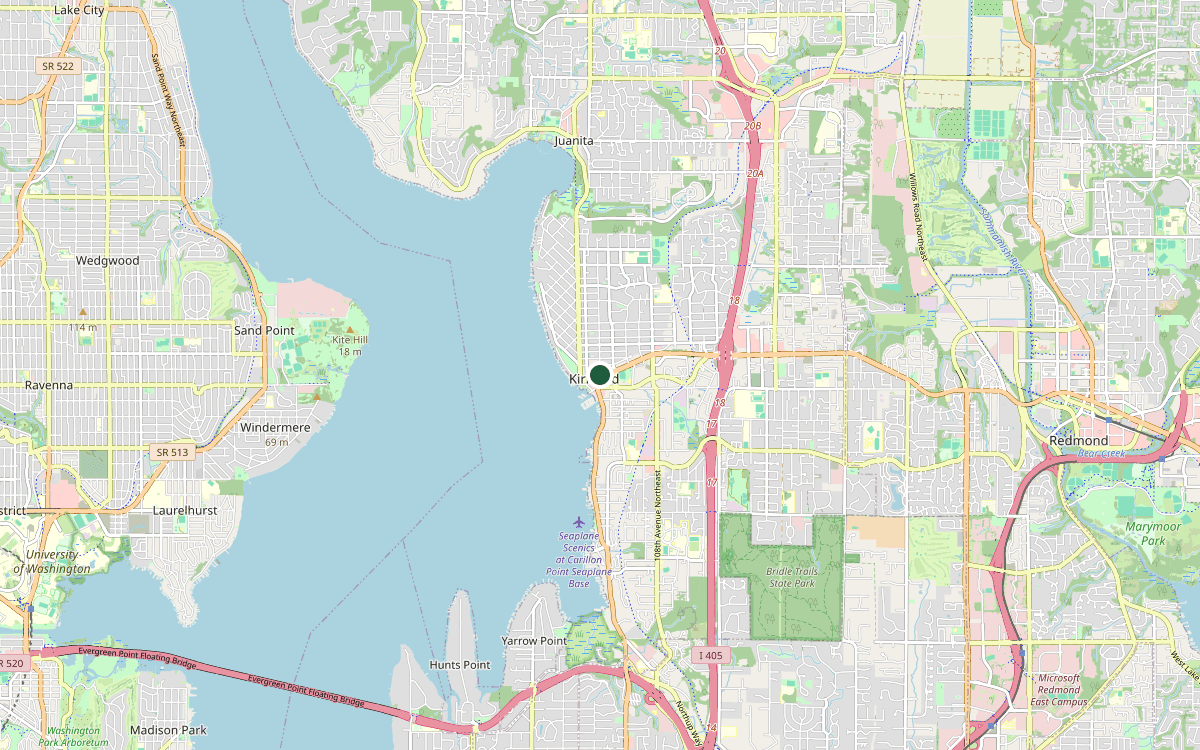
Service-area map — Kirkland, WA. Map data © OpenStreetMap contributors.
Kirkland incorporated in 1905 with about 400 residents. Its name comes from Peter Kirk, the British steel industrialist whose Moss Bay Iron and Steel Works, formed in 1888, was meant to turn Rose Hill into a steel town until the financial collapse of 1893 ended the plan; brick commercial buildings from 1891 still line Market Street, the Peter Kirk Building among them. The modern city grew by joining its neighbors: Houghton voted to merge in 1968, most of Juanita and Rose Hill were annexed in 1988, and Finn Hill, North Juanita and Kingsgate followed on June 1, 2011. Census estimates now count about 92,600 residents and 41,100 homes, with a median construction year of 1984.
More than a third of Kirkland's homes were built between 1960 and 1979, and another 18 percent or so in the 1980s. Houses from those years commonly have a masonry chimney with a clay-tile flue, often with an insert or a gas log set added later. Newer infill and townhomes more often use factory-built fireboxes in a framed chase, or a direct-vent gas unit that exits through a wall.
Each type wears differently. Brick and mortar suffer from water and age; metal chases rust at the top; gas vents collect nests. On any visit, the first thing we pin down is which kind you have.
Nearly every job here begins with a look at the whole system, from the roof down to the hearth, with a camera run inside the flue. You pay $99 plus tax for it, and we knock that sum off the repair when you approve the written quote.
You leave with photos and a short report in plain words. Nothing has to be decided while we are there, and if the chimney only needs cleaning, the report says that too.
When the Lake Washington Ship Canal opened in 1916, the lake dropped by about nine feet, stranding docks and exposing a sloping shoreline along Kirkland's waterfront, as the Kirkland Reporter's history of Juanita Bay recounts. The bay's former golf-course land is now a park of more than 120 acres of wetland with over 200 bird species. Farther north, O.O. Denny Park keeps a stretch of the Finn Hill shore that opened to the public in 1922.
Much of the housing near that shore sits on slopes that look straight across open water. Chimneys there face the full weather coming over the lake, and the side toward the water tends to be the one that needs attention first.
Two extension services agree on the basics. Oregon State University's calls moss on Northwest roofs a given, fed by shade, and names tree trimming as the lasting fix. Washington State University's demossing manual adds that most growth clusters near the eaves and that control stays temporary until its cause is corrected.
For a homeowner, the chimney is where that matters most: debris gathers behind it, moss grows on flat crowns, and needles fill cap screens. Keeping branches back from the roof does more for a chimney than any treatment we can apply.
Kirkland is wet but rarely sticky: WeatherSpark finds essentially no muggy days all year, a rainy season running early October through the beginning of May, and a brief snowy spell from mid-December to late January. Across the lowlands, winter snow totals of 10 to 20 inches usually melt fast, and accumulations above 6 to 15 inches are uncommon, the Western Regional Climate Center reports.
What that adds up to for a chimney is months of steady rain on brick, crowns and flashing, with only a few short freezes. Water, far more than cold, is what wears chimneys out here.
The region's brick chimneys have a record: USGS found unreinforced ones damaged in the 1949, 1965 and 2001 earthquakes, and its survey after the 2001 quake found 1,556 of roughly 60,000 chimneys damaged. The southern Whidbey Island fault, which reaches southeast from Everett toward Woodinville, is rated by the state's Emergency Management Division as capable of magnitude 7.5.
With about 44 percent of Kirkland homes built before 1980, many chimneys here have already lived through at least one of those quakes. A camera look inside the flue is the only reliable way to know whether yours came through intact.
The grid we quote from for Kirkland homes — the $99 inspection comes first, the written quote before any work.
| Service | Price in Kirkland | What that covers |
|---|---|---|
| Chimney Sweep | $189–$459 | Full flue swept, Level 1 inspection included |
| Chimney Inspection | $99 plus tax | Level 1 visual; Level 2 adds a full camera scan |
| Chimney Relining | From $1,900 | Full-length stainless liner, sized to the appliance |
| Chimney Repair | From $425 | Masonry repair — brick and mortar, scoped after diagnosis |
| Chimney Cap Installation | $235–$850 | Stainless cap fitted; multi-flue and custom at the top |
| Masonry Repair (Crown / Repointing) | From $475 | Crown work, repointing and tuckpointing by surface area |
| Chimney Waterproofing | $285–$795 | Breathable sealer — reapplied every 3–5 years in this climate |
| Chimney Flashing Repair | $375–$1,500 | Reseal at the low end, full flashing replacement at the high |
| Gas Fireplace Service | $189–$479 | Annual service and tune-up; repairs quoted after diagnosis |
| Creosote Removal | From $245 | Priced by creosote stage — glazed stage 3 is the heavy end |
| Dryer Vent Cleaning | $105–$295 | Full run cleaned; roof or upper-floor terminations at the top |
| Air Duct Cleaning | From $525 | Whole HVAC system — trunks, branches and every register |
Ranges are what these jobs are quoted at in Kirkland. The exact figure is set on site after a $99 inspection (credited toward the job if you go ahead), and you approve it before any work starts.
Before and after
Illustrations of what each repair changes on a typical chimney — not photos of a specific job.
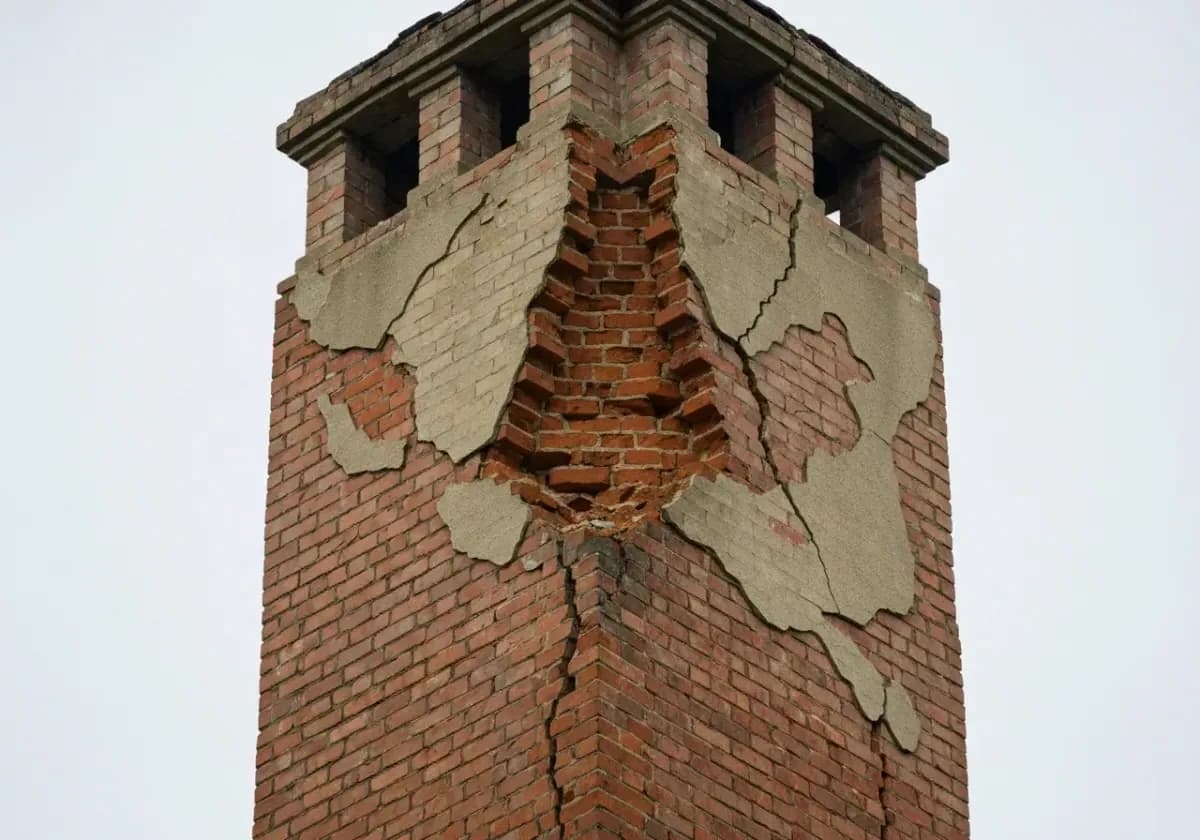 Before
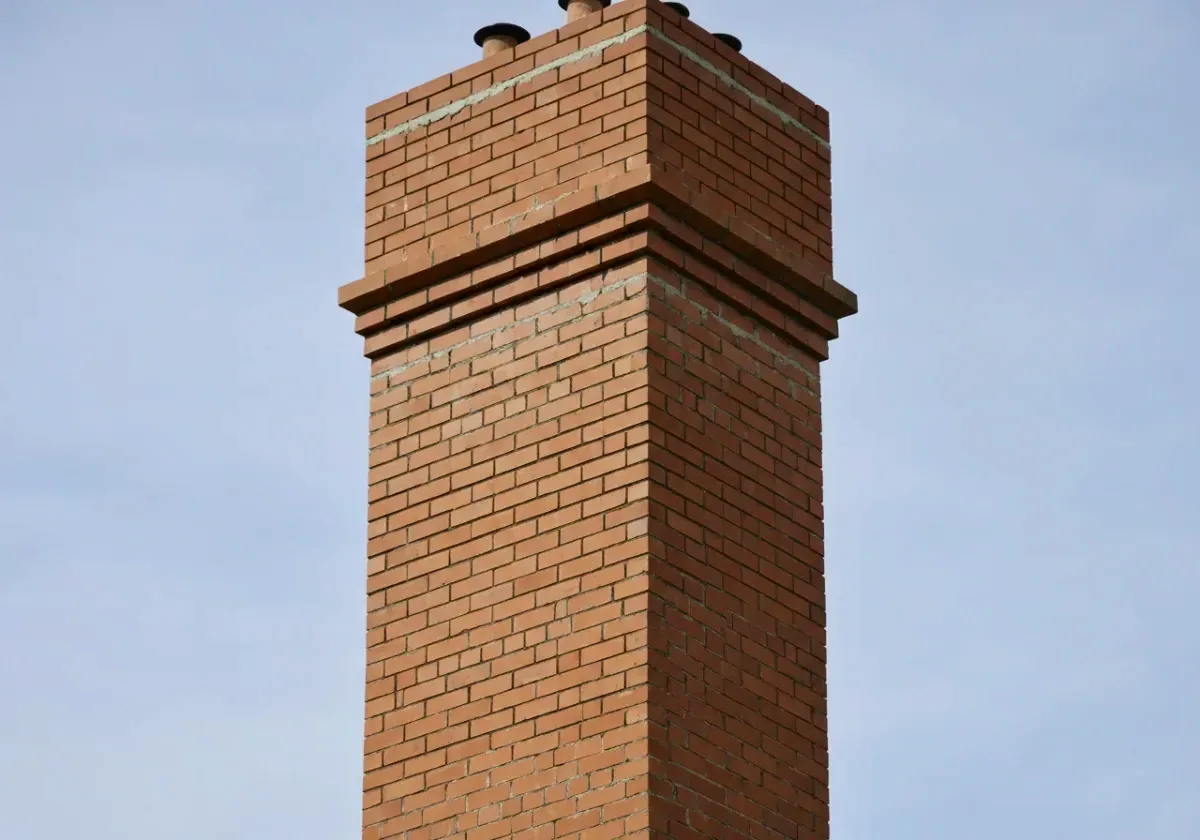 After
After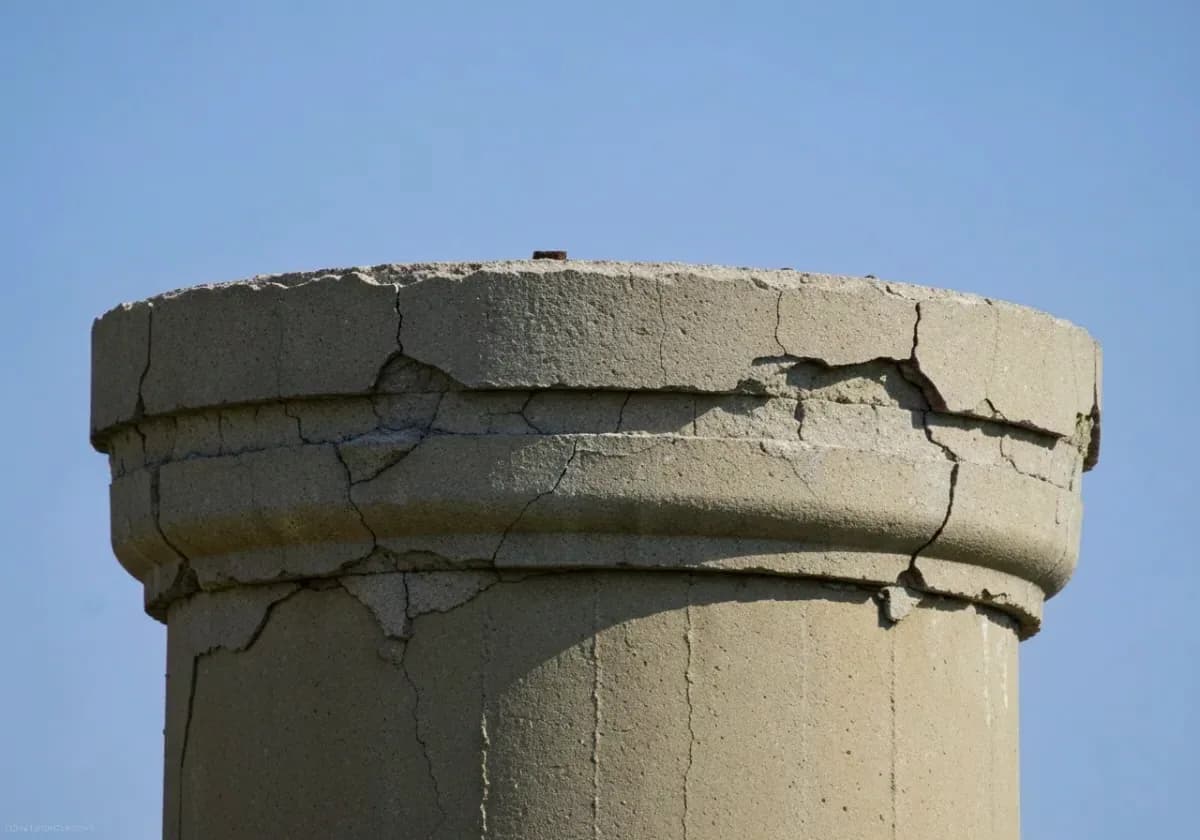 Before
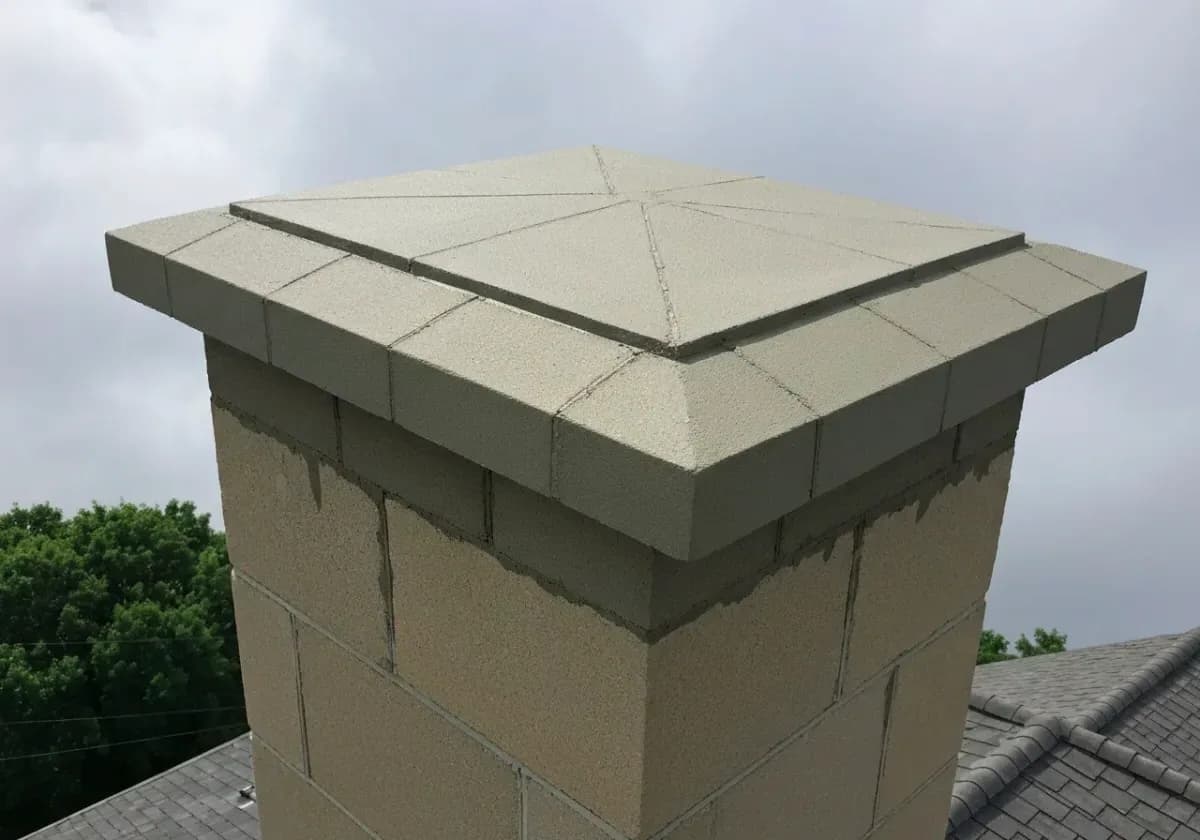 After
After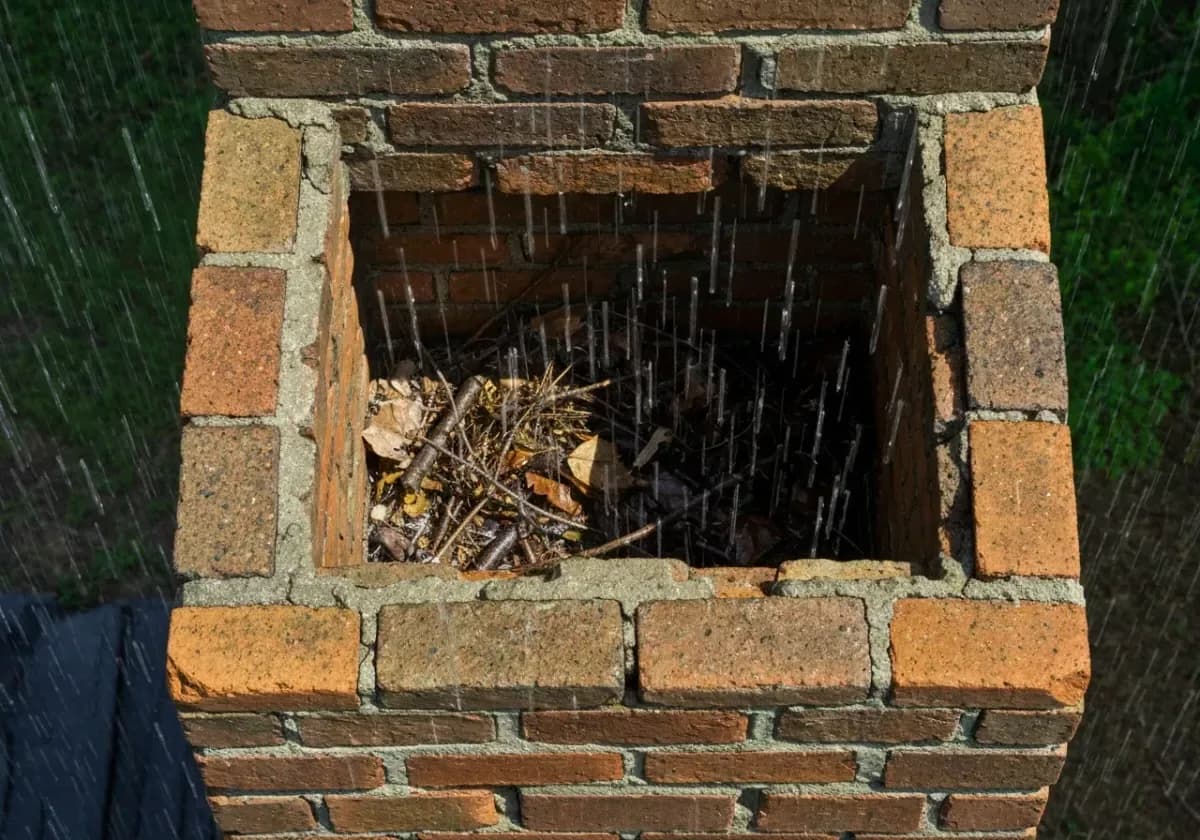 Before
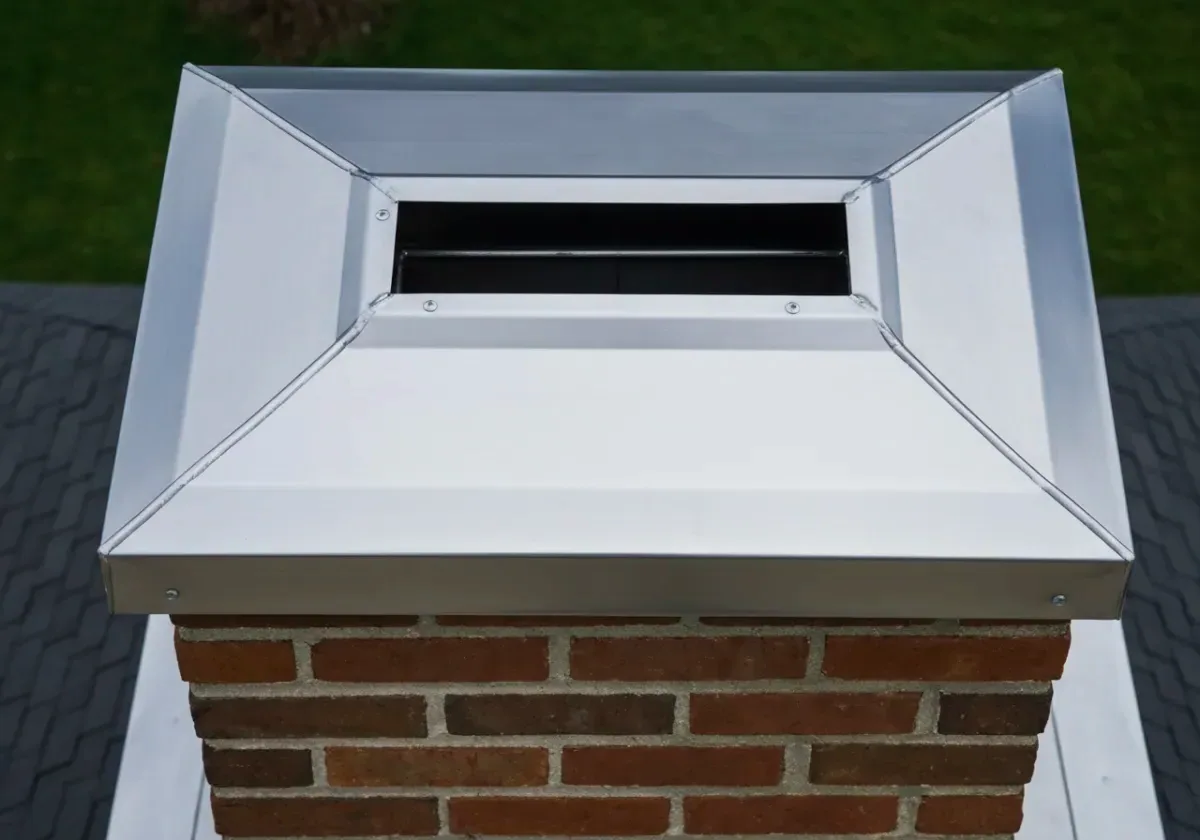 After
After
Four steps, each one on paper — so you always know what happens next.
Choose a genuine opening on the crew's calendar. Confirmation is immediate.
Liner, crown, cap, flashing and masonry examined in order — each finding photographed.
One document, plain numbers, covering only the work your chimney genuinely needs.
The repair is completed, then handed over with before-and-after photos of every item.
Yes, the whole city, including the neighborhoods annexed in 2011: Finn Hill, North Juanita and Kingsgate, as well as Houghton, Rose Hill, Juanita and the downtown streets near the lake.
Each chimney we look at is $99 plus tax. That sum comes off the work once you say yes to our written quote.
Not if it burns wood or pellets. A Stage 1 call from Puget Sound Clean Air Agency idles open wood-burning hearths plus every uncertified stove or insert. At Stage 2, certified wood stoves and pellet units go dark as well, with the lone exception of households approved in advance because wood is their only adequate heat, and those must still burn without visible smoke.
Choose a genuine opening on the crew's calendar. We inspect, quote in writing, and hand over a photo record of every repair.