A Level 1 chimney inspection in Kirkland costs $100 to $200; a Level 2 with video scanning runs $200 to $350 — and for most Kirkland homeowners, it is worth every dollar. Kirkland's 38-plus inches of annual rainfall, moss-prone chimney crowns, and freeze-thaw cycles from November through February accelerate exactly the kinds of hidden damage — cracked flue tiles, Stage 2 glazed creosote, deteriorating mortar joints — that cause house fires and four-figure repair bills. An annual inspection is the most reliable way to catch a $175 problem before it becomes a $3,500 one.
What Are the Three Levels of Chimney Inspection — and Which One Do You Actually Need?
NFPA 211 defines three inspection levels. The one you need depends on what has changed with your chimney or your home — not simply how long it has been since the last inspection.
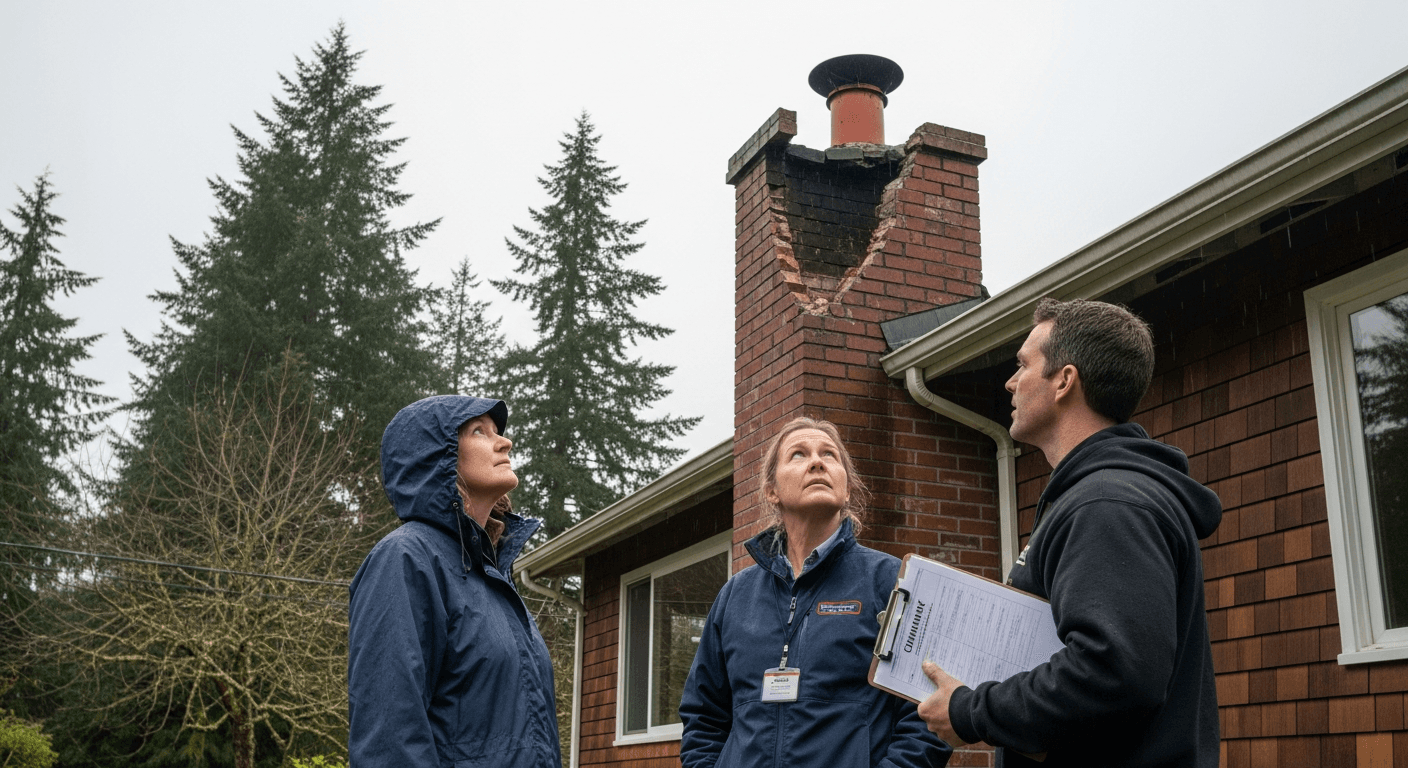
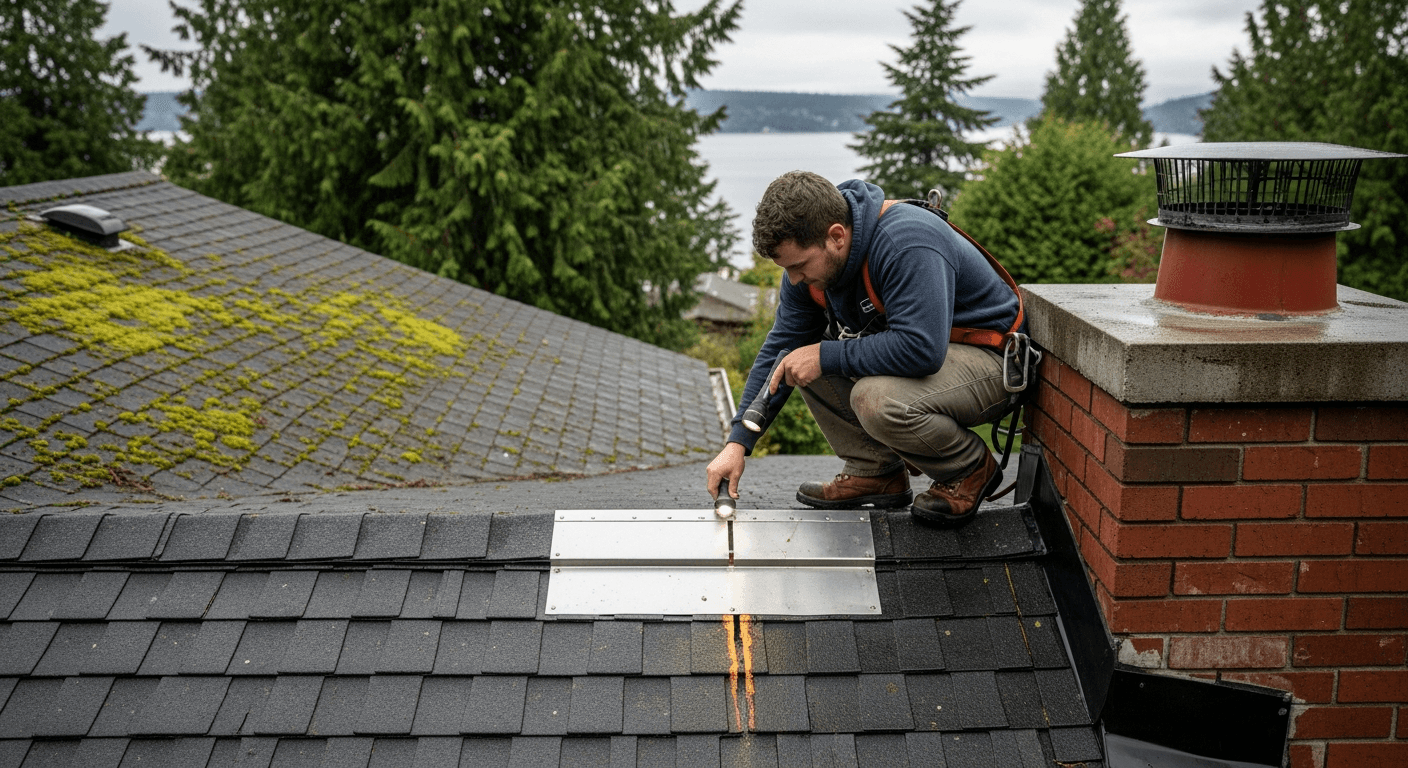
Level 1 is the annual baseline. Your technician visually examines every accessible component — firebox, damper, smoke chamber, chimney crown, cap, and exterior masonry — without camera equipment. This is the right level when your appliance and fuel type are unchanged, your chimney has been operating normally, and no significant weather event has affected the structure. Most Kirkland homeowners who burn wood regularly need a Level 1 every year before fireplace season begins.
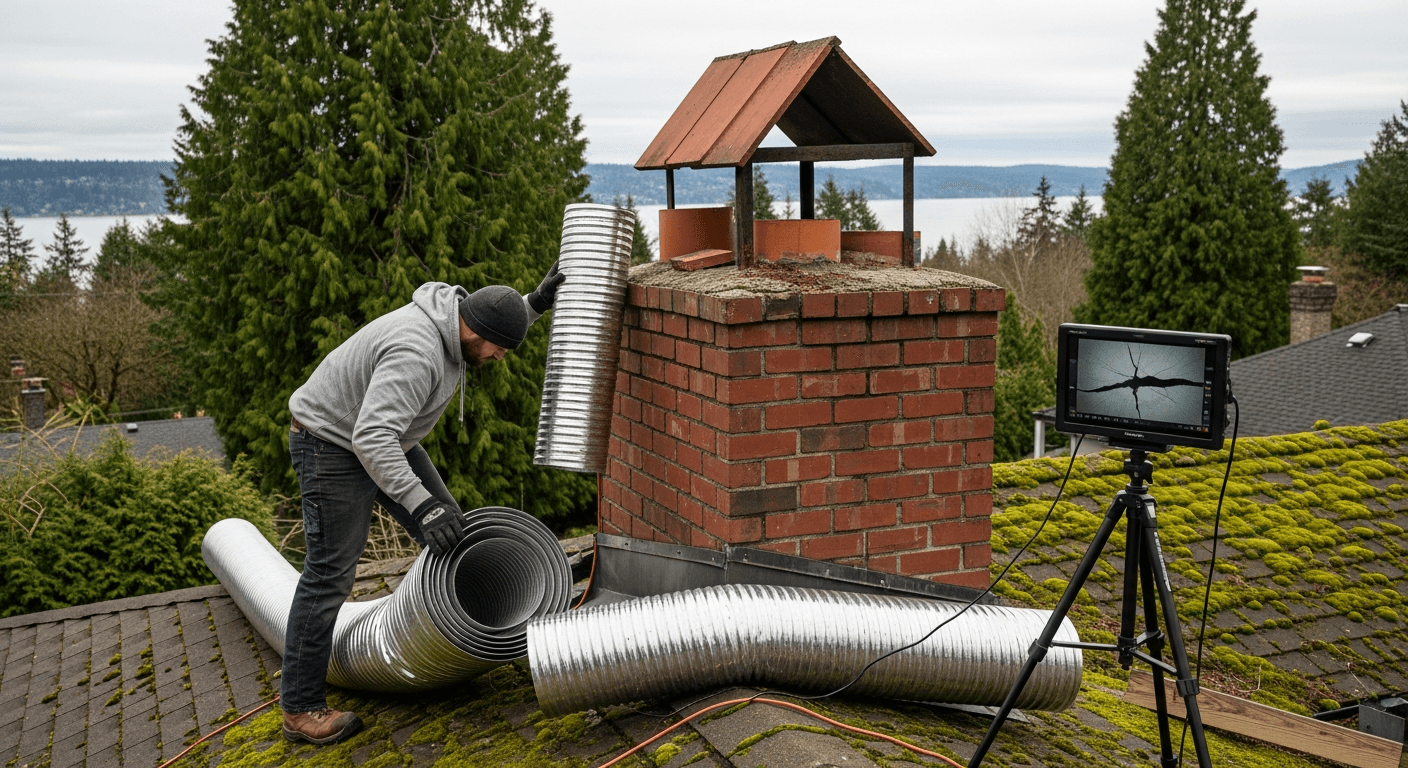
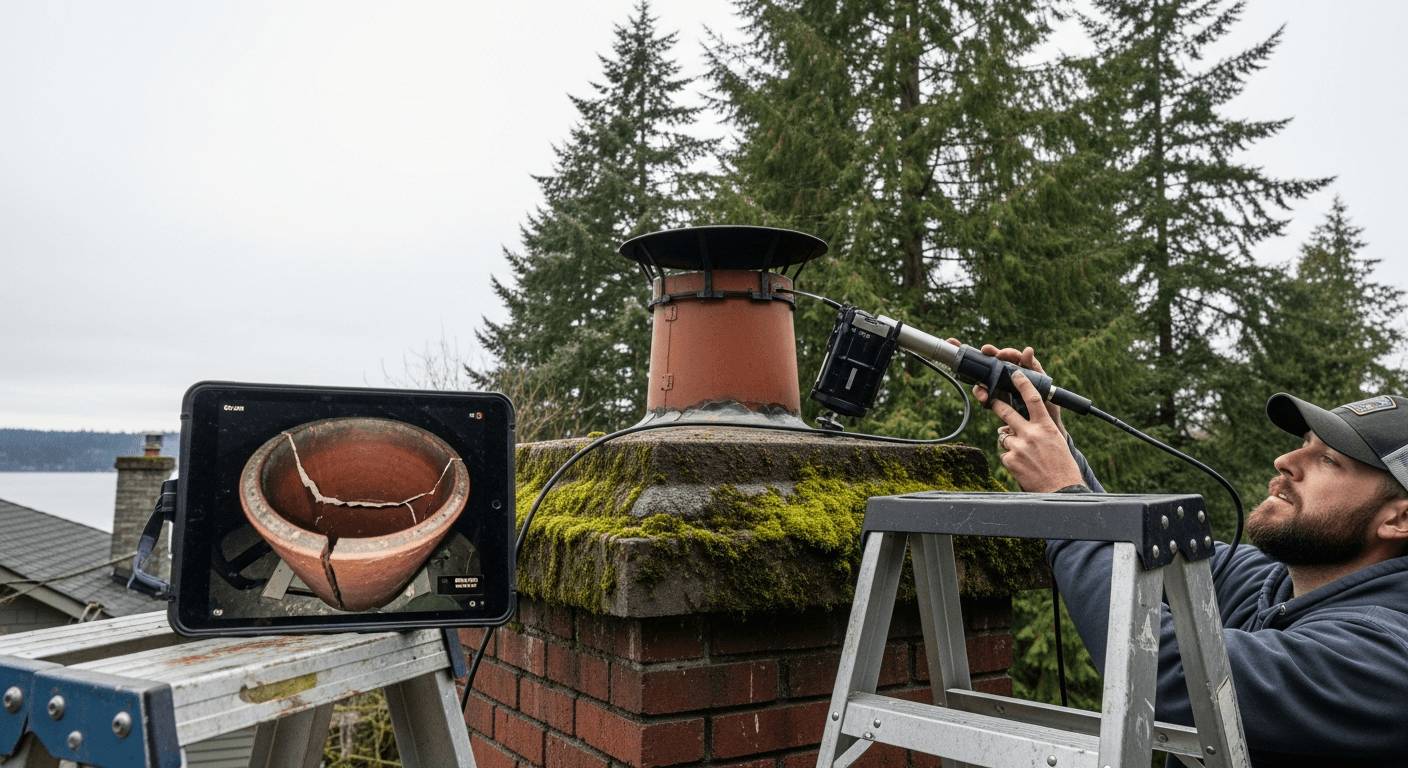
Level 2 is required when something has changed: a home sale or purchase, a fuel-type conversion (for example, wood to gas insert), a chimney fire, or a severe windstorm. It includes a video camera scan of the full flue interior so the technician can identify cracked liner segments, failed mortar joints, creosote staging, and obstructions that are invisible to the naked eye. Given Kirkland's active real estate market, many buyers on the Eastside are in Level 2 territory without realizing it — and their purchase contract may require it.
Level 3 is invasive and relatively uncommon. It involves removing portions of chimney structure — masonry, framing, or interior surfaces — to access areas where serious hidden damage is suspected. It is typically triggered by findings in a Level 2 inspection that suggest a past chimney fire or structural failure. Scope and cost vary significantly and are scoped on-site after a Level 2 assessment.
What Does a Chimney Inspection Cost in Kirkland, WA?
Prices reflect Kirkland and Eastside labor rates, inspection duration, and equipment used. The table below shows realistic ranges for 2024–2025. Bundling a Level 1 inspection with a chimney sweep is typically a better value than scheduling them separately, and most technicians offer that combination.
If a quote comes in under $80 for any inspection, treat it as a warning sign. A thorough Level 1 takes 35 to 50 minutes at minimum. Quotes well below market rate often reflect a rushed visual pass that misses the creosote staging and crown cracking most common in Kirkland's wet climate — and that a Puget Sound Clean Air Agency burn-ban violation or a chimney fire will ultimately cost far more to address.
| Inspection Level | What's Included | Typical Kirkland Cost | Time Required |
|---|---|---|---|
| Level 1 (annual visual) | Accessible firebox, damper, smoke chamber, exterior crown and cap, basic draft check | $100 – $200 | 35 – 60 minutes |
| Level 1 + Chimney Sweep (bundled) | Everything above plus creosote and debris removal from firebox and flue | $180 – $280 | 60 – 90 minutes |
| Level 2 (video scan) | Full flue camera inspection, all accessible and enclosed areas, written report with timestamped images | $200 – $350 | 60 – 120 minutes |
| Level 2 (real estate transaction) | Same as Level 2 plus written report formatted for buyers, sellers, or agents — suitable for disclosure documentation | $250 – $375 | 60 – 120 minutes |
| Level 3 (structural/invasive) | Removal of masonry or structural components to access hidden damage — scope determined after Level 2 findings | $500 – $2,000+ | Half day to multi-day |
A Kirkland Homeowner's Story: What a Level 2 Inspection Found Before It Became a Disaster
A homeowner in the Juanita neighborhood called us last November, about three weeks after closing on a 1987 craftsman-style home near Lake Washington. The sellers had used the wood-burning fireplace regularly for years, but no inspection records existed. The new owners wanted to use the fireplace through winter and assumed everything was fine based on what they could see from the firebox opening.
Our Level 2 video inspection found two problems invisible to the naked eye: a cracked clay tile liner segment approximately eight feet up the flue, and a dense band of Stage 2 glazed creosote just above the smoke chamber. Stage 2 creosote is the harder, tar-like deposit that standard sweep brushes cannot fully remove and that ignites at significantly lower temperatures than loose creosote. The cracked liner segment meant that during a hot fire, combustion gases and heat could reach the wood framing behind the chimney chase — a direct fire hazard.
The homeowners had the liner segment repaired and a professional chemical creosote treatment applied before the first fire of the season. Total cost: $865. A chimney fire in that flue — with Stage 2 creosote present and an open path to framing — could have produced structural damage well into five figures, or worse. The Level 2 inspection cost $275. It was the most cost-effective $275 they spent on the home.
Why Kirkland's Climate Makes Annual Inspections More Important Than the National Average
The NFPA recommends at least one inspection per year regardless of location. In Kirkland, specific local conditions make that recommendation functionally non-negotiable.
Kirkland averages 38 to 42 inches of rainfall annually, concentrated in the same October-through-March window when fireplaces are in heaviest use. When flue temperatures drop during sporadic or low-intensity fires — common during mild Eastside winters — moisture in the flue combines with unburned wood gases to accelerate Stage 2 creosote formation faster than in drier climates.
Moss colonizes chimney crowns throughout Kirkland's west-facing and shaded exposures. Moss retains moisture against mortar joints and crown surfaces continuously. When temperatures drop below freezing — which happens repeatedly each winter on the Eastside, particularly at elevations above the lake — that trapped moisture expands, cracking crown concrete and mortar joints. Water then enters the flue system, spalling clay tile liners from the inside out. None of this is visible from the firebox without a camera.
Puget Sound Clean Air Agency burn bans are issued during winter temperature inversions, sometimes for multiple consecutive days. Some homeowners compensate by burning heavily on non-ban days. Extended high-temperature burns in a flue with undetected creosote buildup or a cracked liner are when chimney fires start.
A significant share of Kirkland homes have had gas inserts retrofitted into existing wood-burning fireplaces. Gas appliances produce moisture and combustion byproducts that degrade liner materials over time, and the liner sizing and configuration requirements for gas differ from those for wood. An inspection confirms the liner is appropriate for the appliance currently in use — particularly important when a home has changed hands and the retrofit history is unknown.
Will Homeowners Insurance Pay for a Chimney Inspection or Repairs Found During One?
The inspection itself is not covered — insurers classify it as routine maintenance, which standard homeowners policies explicitly exclude. However, repairs identified during an inspection can be covered depending on the cause of the damage.
Washington homeowners policies cover sudden, accidental losses. If a Level 2 inspection reveals that a windstorm cracked your chimney crown or displaced a cap, and you can document that the damage is storm-related rather than long-term deterioration, your insurer may cover the repair after your deductible. The timestamped photo report from a Level 2 inspection is the specific documentation adjusters request to evaluate storm-damage claims.
Damage from gradual water intrusion, neglected mortar, or deferred maintenance is excluded from coverage — and adjusters are trained to distinguish the two. Homeowners who maintain annual inspection records have a materially stronger position when filing a storm-damage claim, because they can demonstrate that the pre-existing condition of the chimney was documented and maintained. That paper trail matters when an adjuster is deciding whether damage is sudden or long-standing.
Frequently asked questions
How much does a Level 2 chimney inspection cost in Kirkland, WA?
A Level 2 chimney inspection in Kirkland typically costs $200 to $350, or $250 to $375 when formatted as a real estate transaction report. The inspection includes a full video camera scan of the flue interior and a written report with timestamped images. It is required when you buy or sell a home, change fuel types, or have had a chimney fire.
Is a chimney inspection worth it if my fireplace seems to be working fine?
Yes. The most dangerous chimney conditions — cracked clay tile liner segments, Stage 2 glazed creosote, and failed mortar joints — produce no visible symptoms until they cause a fire or allow combustion gases into living spaces. In Kirkland's wet climate, these problems develop faster than in drier regions. A $150 to $200 inspection routinely prevents $1,000 to $5,000 in repairs.
How often should I have my chimney inspected in Kirkland?
At minimum once a year, per NFPA 211. In Kirkland, schedule it in September or October — before fireplace season — so any repairs can be completed before you need the fireplace. Kirkland's rainfall, moss growth, and freeze-thaw cycles make annual inspections a genuine maintenance requirement, not a formality.
Will homeowners insurance cover chimney repairs found during an inspection?
The inspection itself is not covered. Repairs caused by a sudden, documented event — such as a windstorm — may be reimbursable after your deductible if you can show the damage is not from long-term neglect. A Level 2 inspection report with timestamped photos is the documentation Washington insurers ask for to evaluate that distinction.
Do I need a chimney inspection if I only have a gas insert?
Yes. Gas inserts require properly sized and intact flue liners, and moisture plus combustion byproducts degrade liner materials over time. This is especially important in Kirkland, where retrofitted gas inserts are common and the liner configuration installed for a previous wood-burning fireplace may not meet current requirements for the gas appliance now in use.
Related services