Kirkland, King County
Cleaning a dryer vent in Kirkland costs $105 to $295. A short, straight run out a first-floor wall is the low end. A long run through a finished ceiling, a vent that ends at the roof of a two-story home, or a hood packed with a bird's nest brings it toward the high end. Whatever the layout, we treat the vent as one continuous path and empty every section of it, machine end and outdoor end included.
Typical investment
$105–$295
Book an inspection
Book your $99 inspection
$99 plus tax, deducted when you approve the repair
Not sure where to start
Pick what you're seeing at your Kirkland home — we'll point you to the right fix.
What we do
The same crew, the same written quote — for Kirkland homes.
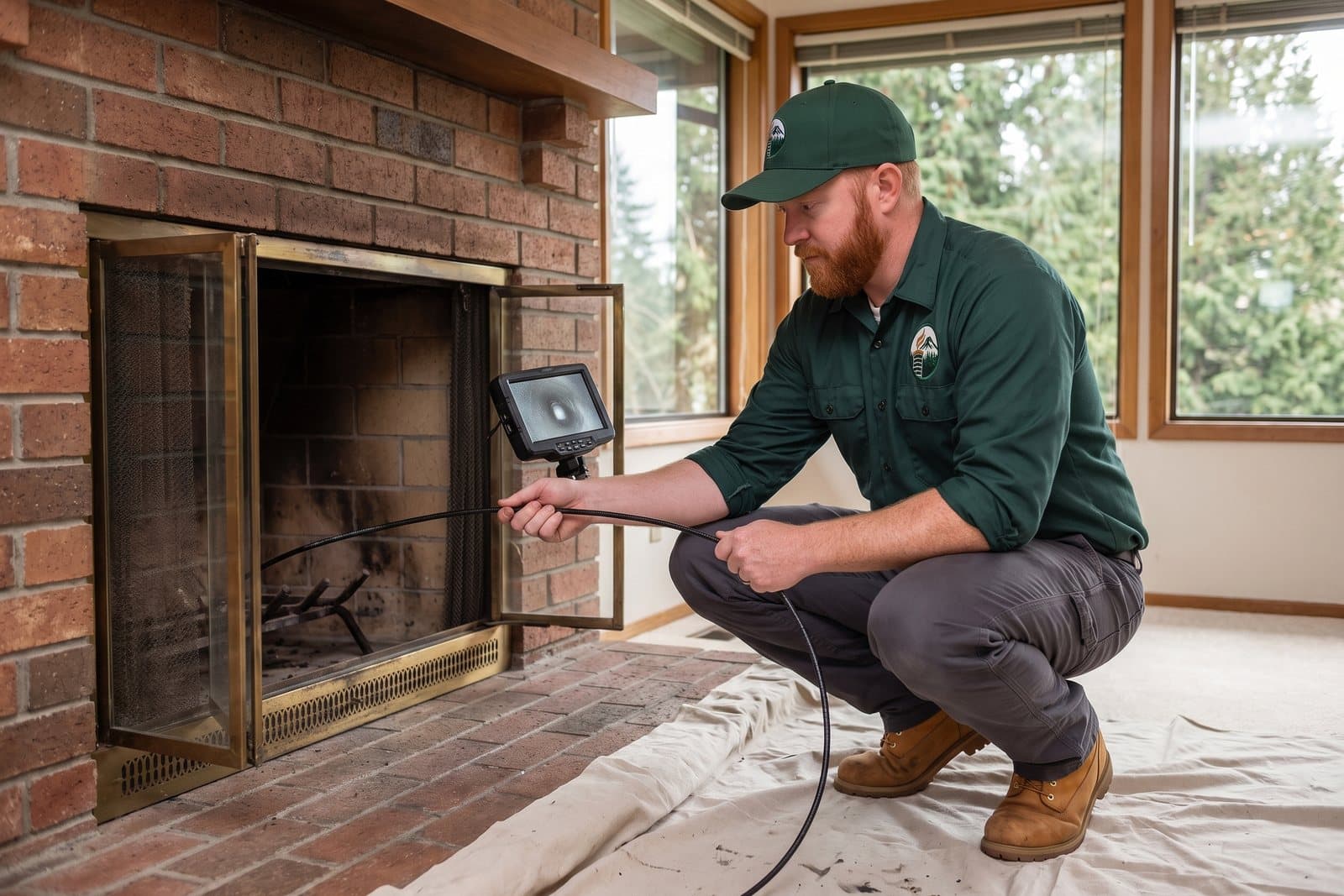
Level 1, or a Level 2 when needed, which means a video camera travels the full flue
Learn more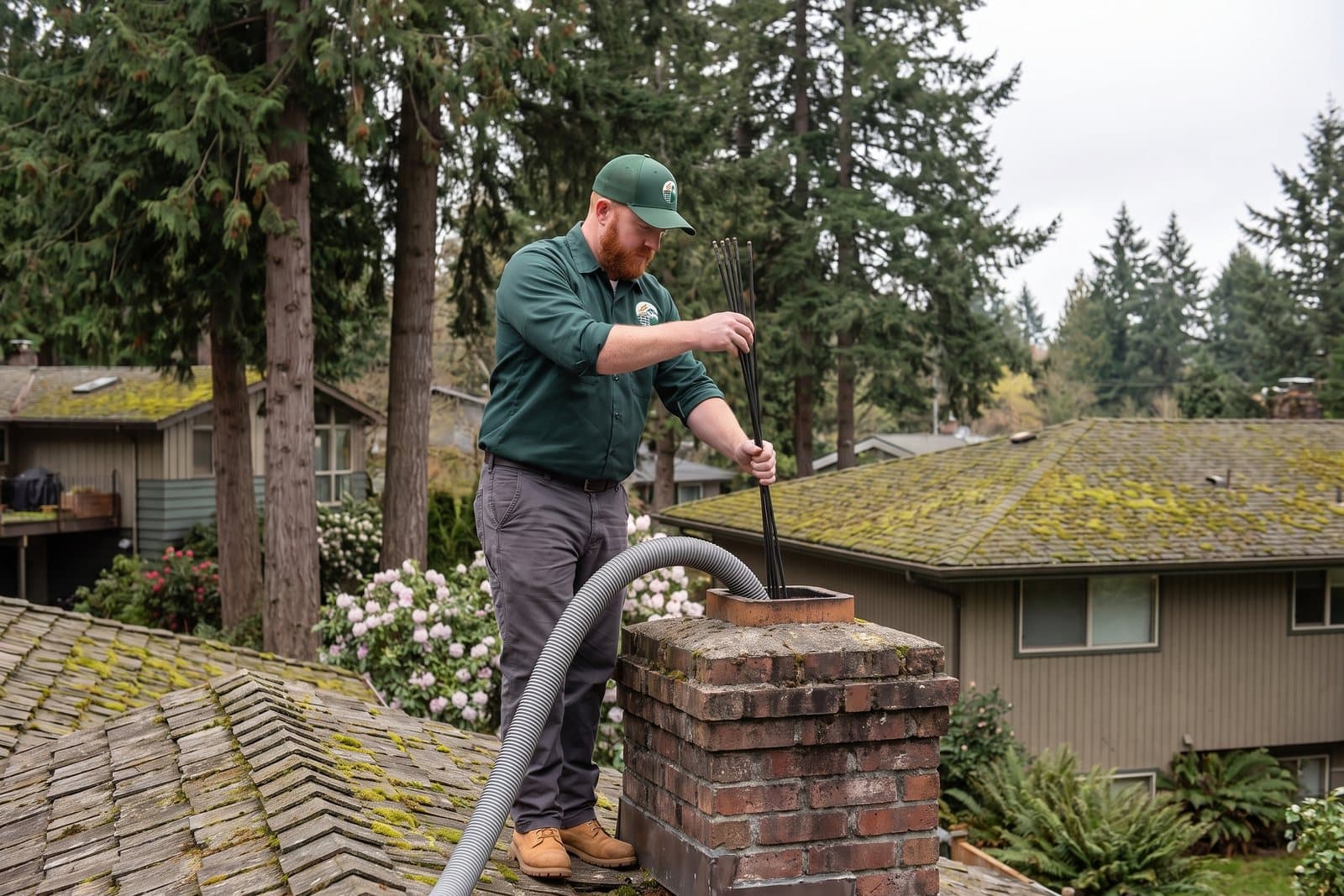
Rotary or rod brushing of the full flue, with the hearth covered and a HEPA vacuum running
Learn more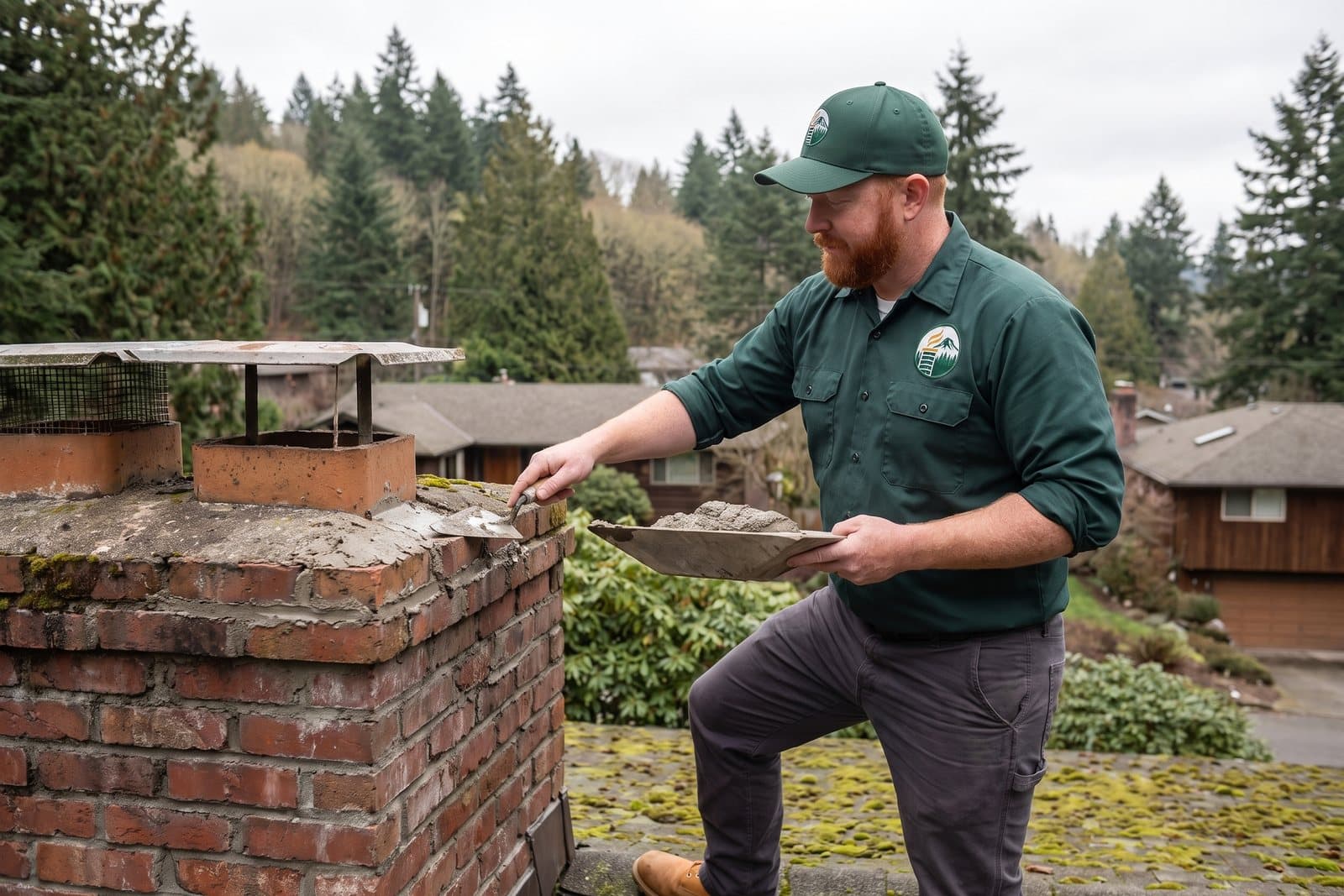
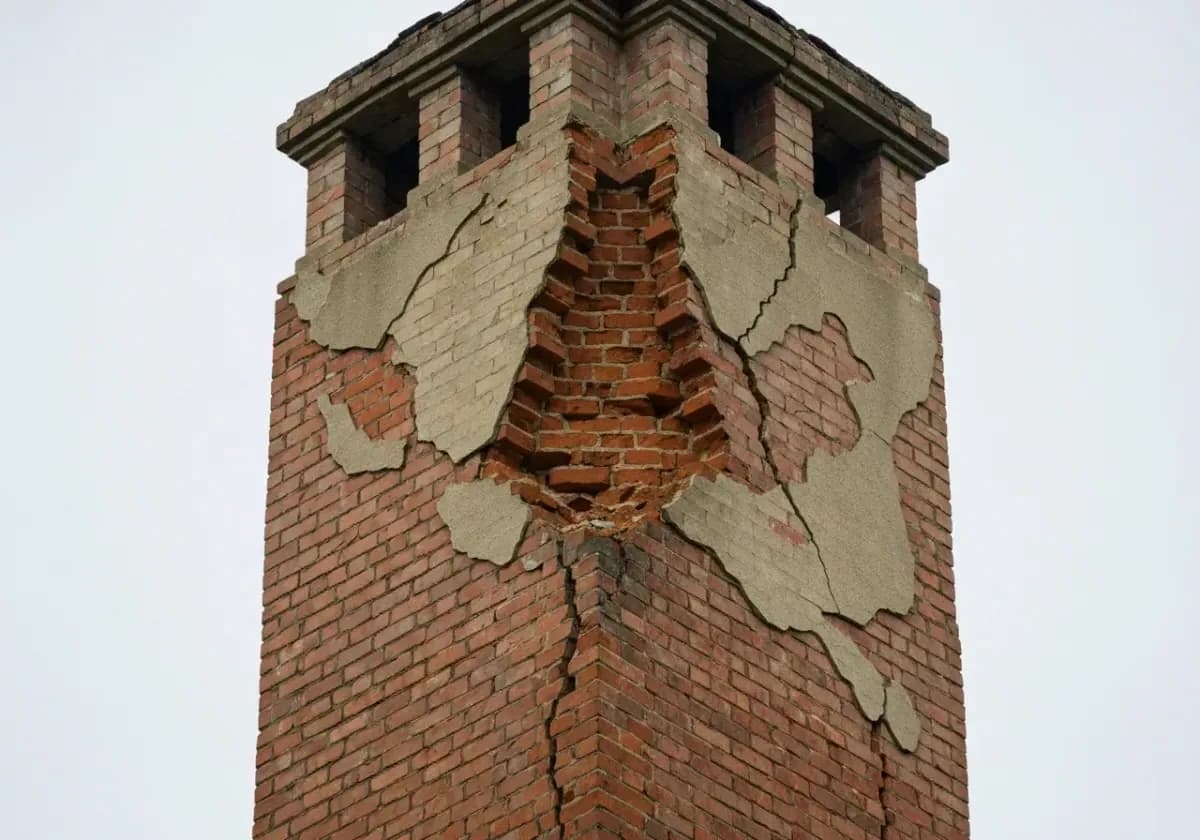
Replacement of cracked or spalled brick with a close color match
Learn more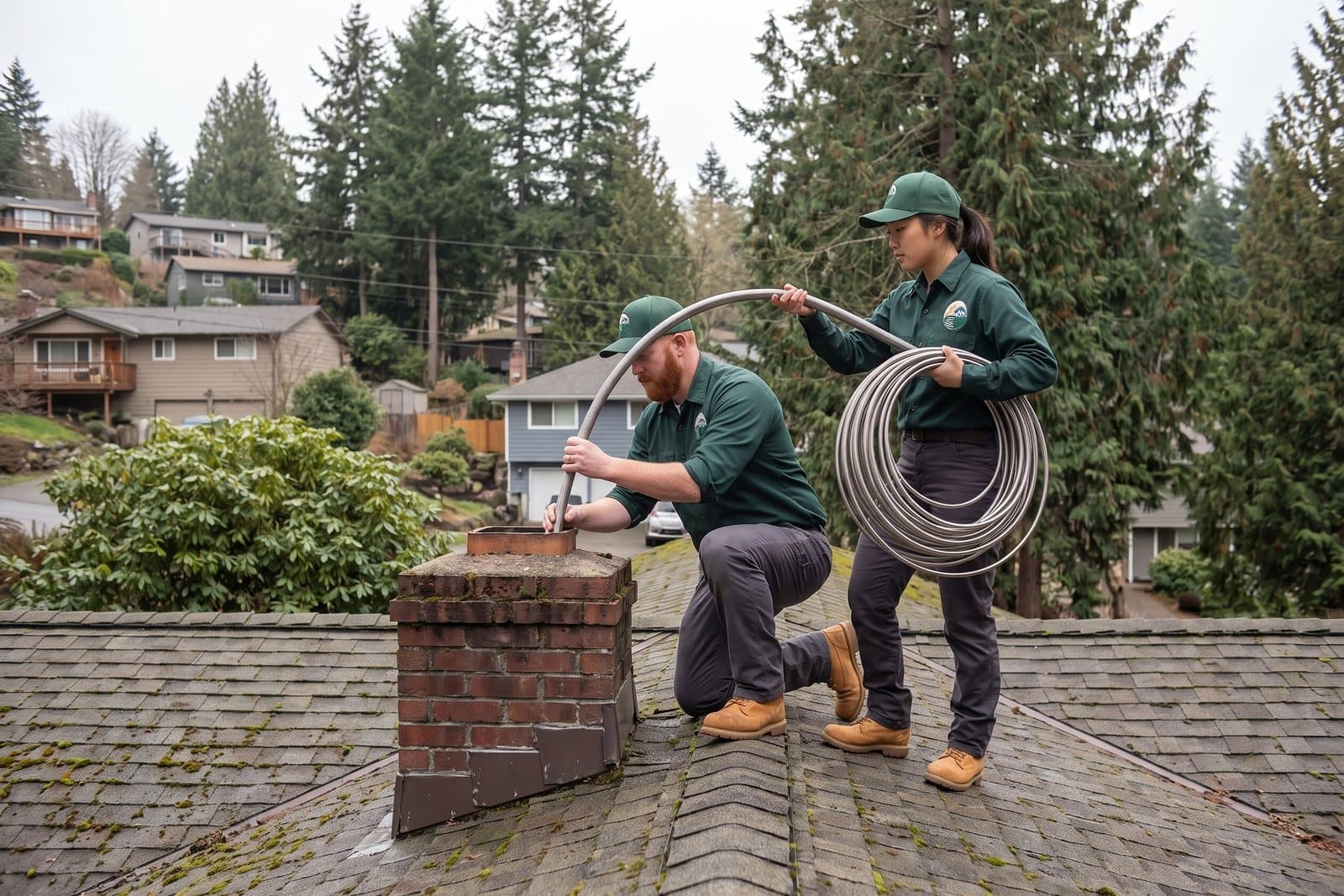
Camera scan and flue measurement before anything is ordered
Learn more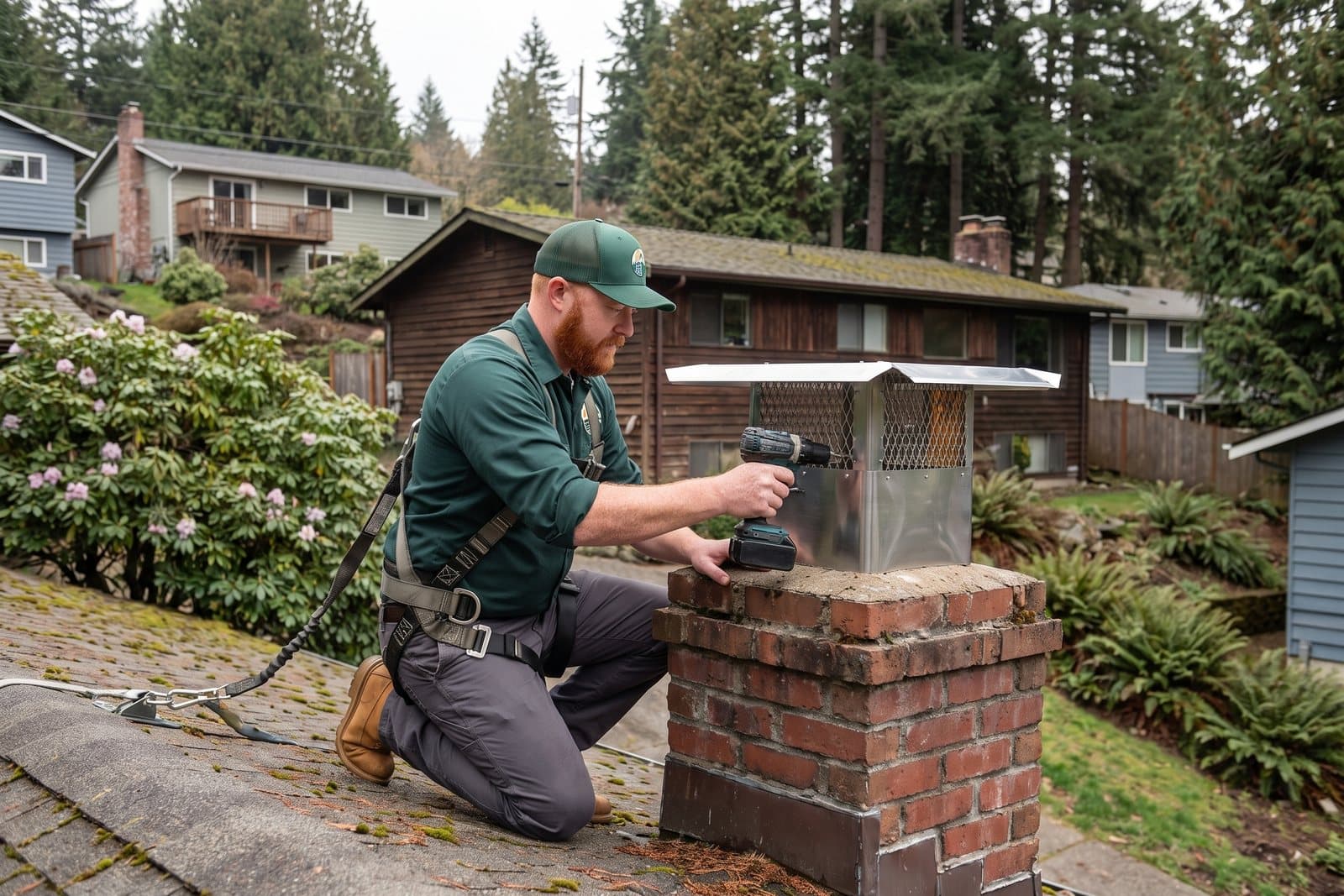
Measurement of each flue and of the crown before fitting
Learn more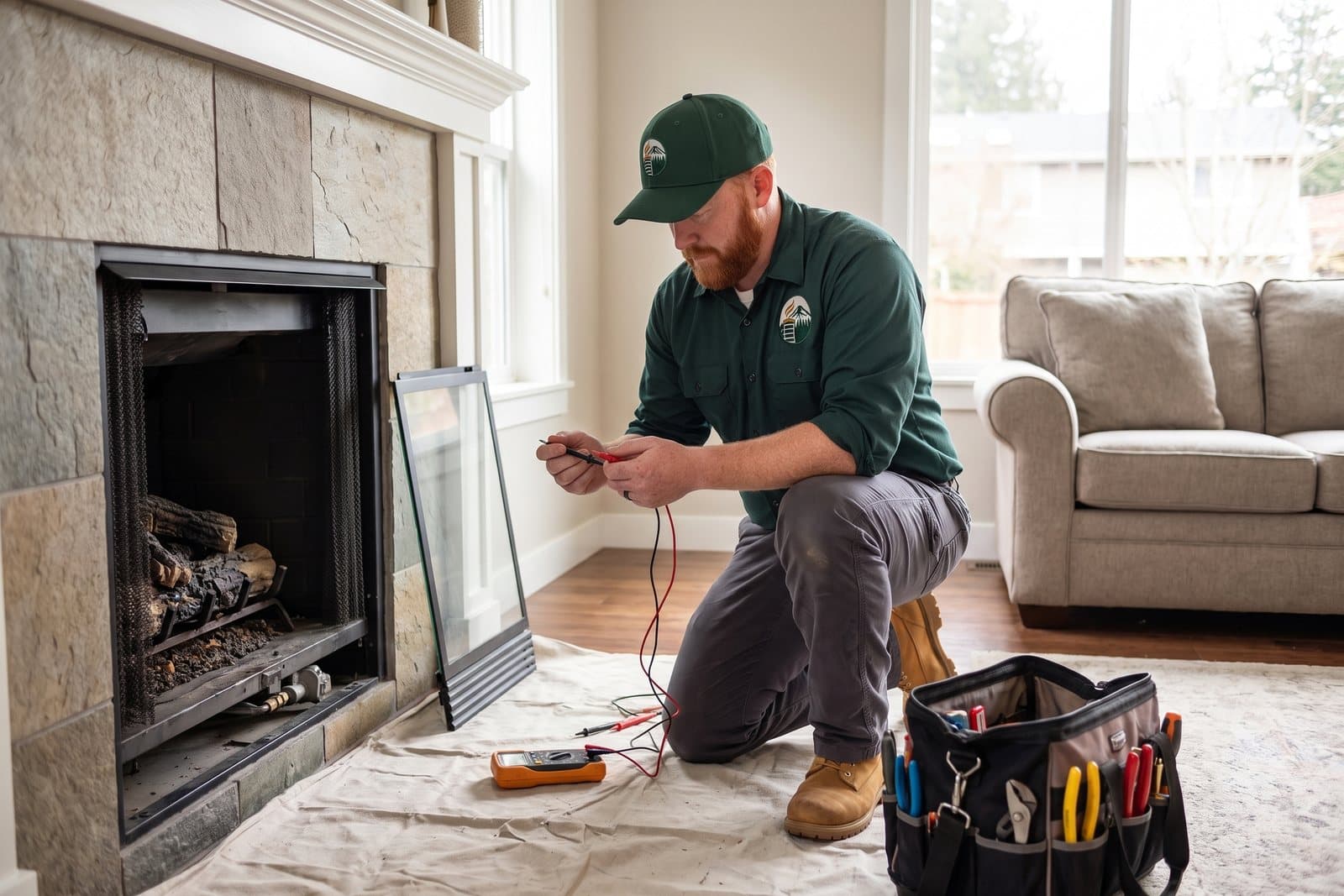
Burner, pilot assembly and thermocouple or thermopile cleaned and checked
Learn moreRanges shown for orientation — the exact figure is written up on-site, after the inspection.
Census estimates count 21,995 single-family detached houses among Kirkland's 41,096 homes, a little over half; the rest are townhomes, condos and apartments. In attached housing, and in any house whose laundry sits upstairs or mid-plan, the vent has to travel farther and turn more corners to reach open air. Every added foot and every elbow is one more place for lint to settle.
Western Regional Climate Center summaries describe lowland winds that blow mainly from the south or southwest through the wet season and swing northwest for the summer. WeatherSpark's Kirkland record shows the windier stretch running from mid-October to late April, peaking in December.
A dryer hood on a south- or west-facing wall takes that wind head-on. Gusts can hold a light flap shut or blow rain into the duct, where it binds with lint into a damp plug. We check the hood's style and seal, and suggest a better-suited termination if yours keeps sticking.
WSU Extension's demossing manual observes that moss trouble concentrates under and near the eaves and that overhanging branches should come down as part of controlling it. Oregon State University Extension describes moss catching soil and debris and holding moisture on the roof.
A dryer vent that leaves through the roof sits right in that mix. Needles, moss fragments and wet lint build up around the cap and can block the damper completely. Roof exits tend to clog worst, and reaching them safely is part of why some vents sit higher in the price range.
Every dryer vent cleaning we do in Kirkland includes:
Smoke coming back into the room, or a smell that won't go? Book the inspection first.
Book nowThe most common signs we hear about are a dryer that needs two cycles to dry a load of towels, a laundry room turning into a sauna during each cycle, and an outside flap that no longer opens. Behind all three is usually the same thing: a vent partly packed with lint, sometimes with a flattened section of foil duct behind the machine.
We disconnect the transition hose and look at its condition: plastic or foil that has been crushed is flagged, because it traps lint and restricts flow.
Rotary brushes run through the duct from inside and out, and a vacuum pulls the loosened lint out rather than pushing it deeper.
Outside, we pull any nest, scrub the hood and work the damper until it swings open under airflow and drops shut after.
With the dryer reconnected and running, we check that air leaves the hood with force, and show you photos of what came out.
Kirkland's wet stretch lasts close to seven months on WeatherSpark's reckoning. Sunny winter days are rare across the lowlands too; the Western Regional Climate Center reckons December through February average single digits of them per month. Line-drying outdoors is off the table for most of the year, so the dryer carries every load.
Heavy use makes the vent's length matter. Washington's 2021 residential code caps a 4-inch metal dryer duct at 35 feet, subtracts 5 feet from that limit for every 90-degree elbow, and forbids a screen at the outdoor end because screens trap lint. Runs that break those rules clog fastest.
What this work is quoted at for Kirkland homes — the exact figure comes from the $99 on-site inspection, credited toward the work.
| Service | Price in Kirkland | What that covers |
|---|---|---|
| Dryer Vent Cleaning | $105–$295 | Full run cleaned; roof or upper-floor terminations at the top |
| Chimney Sweep | $189–$459 | Full flue swept, Level 1 inspection included |
| Chimney Inspection | $99 plus tax | Level 1 visual; Level 2 adds a full camera scan |
| Chimney Relining | From $1,900 | Full-length stainless liner, sized to the appliance |
| Chimney Repair | From $425 | Masonry repair — brick and mortar, scoped after diagnosis |
Ranges are what these jobs are quoted at in Kirkland. The exact figure is set on site after a $99 inspection (credited toward the job if you go ahead), and you approve it before any work starts.
Kirkland is an 18-square-mile city on the east shore of Lake Washington, on Lake Washington, with homes with a median build year of 1984, more than a third of them put up in the 1960s and 1970s. We work every part of it — Houghton, Juanita, Rose Hill, Finn Hill, Kingsgate included.
KirklandKing County, WA · 47.677, -122.206
Before and after
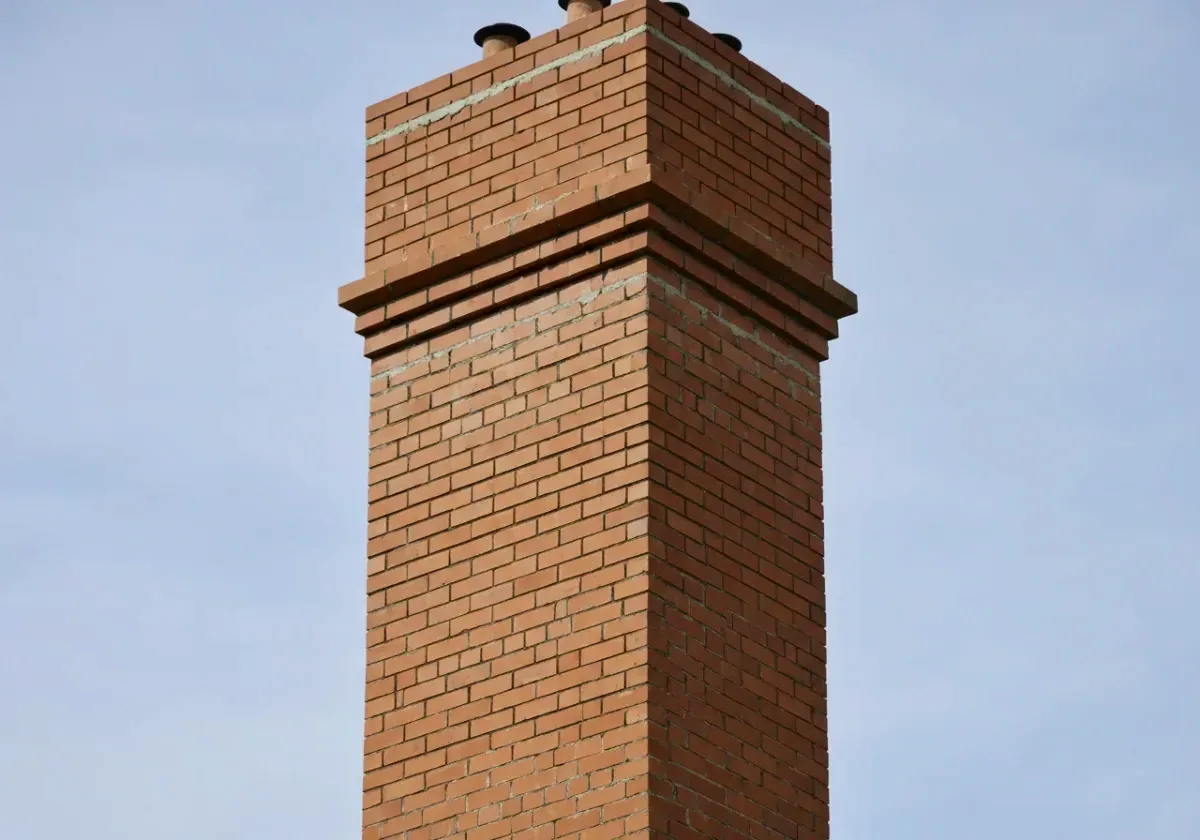
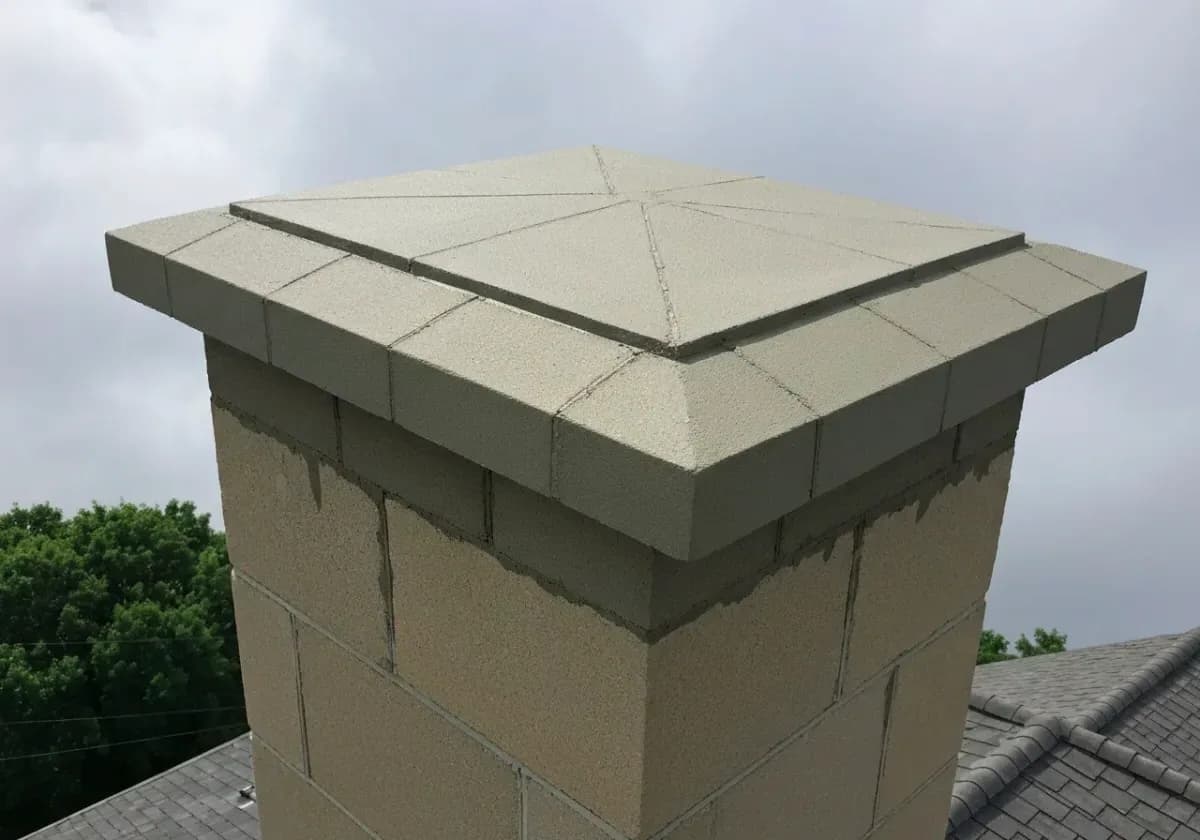
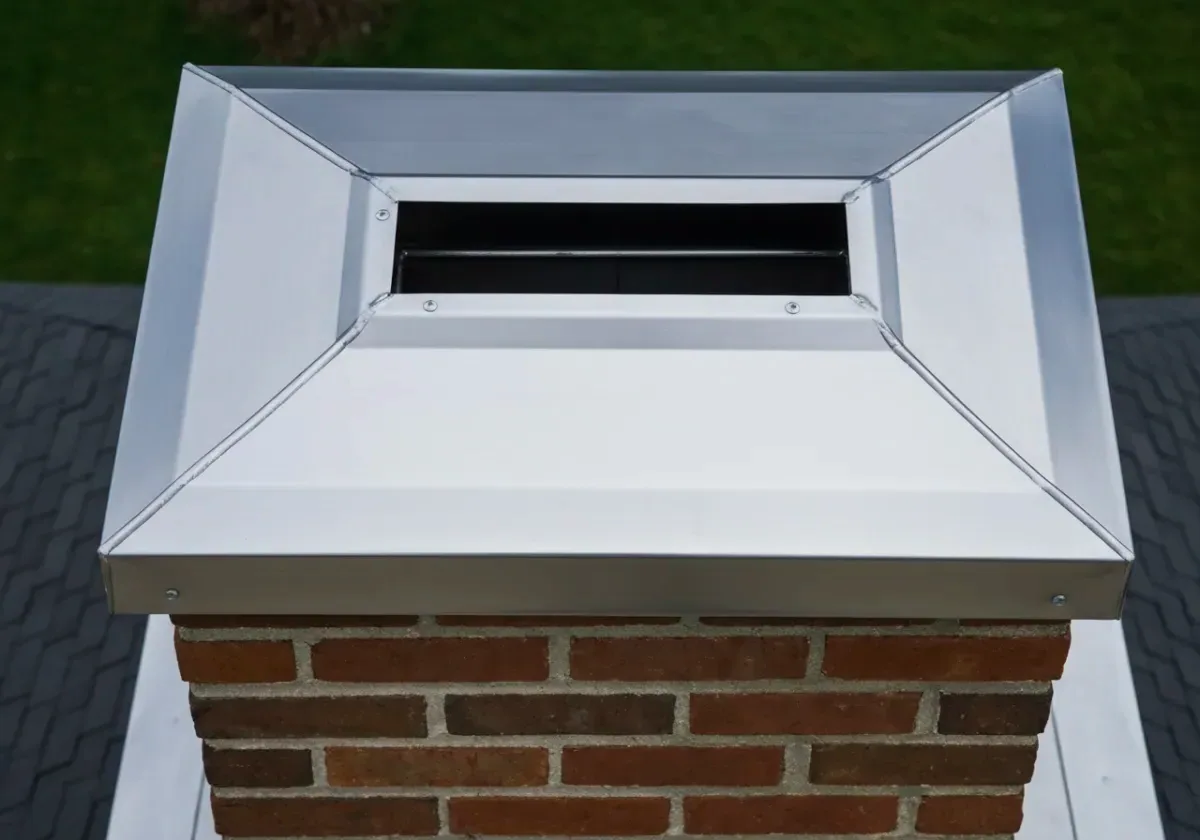
Illustrations of what each repair changes on a typical chimney — not photos of a specific job.
 Before
 After
After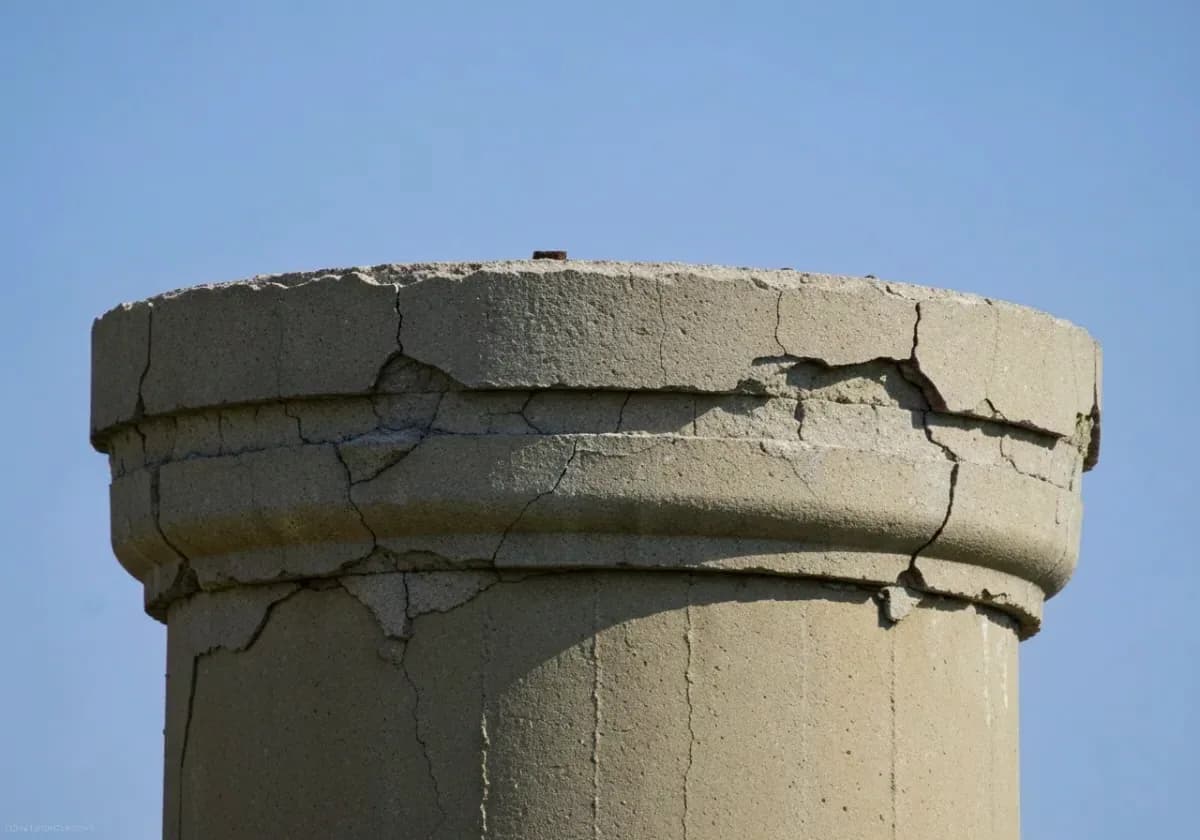 Before
 After
After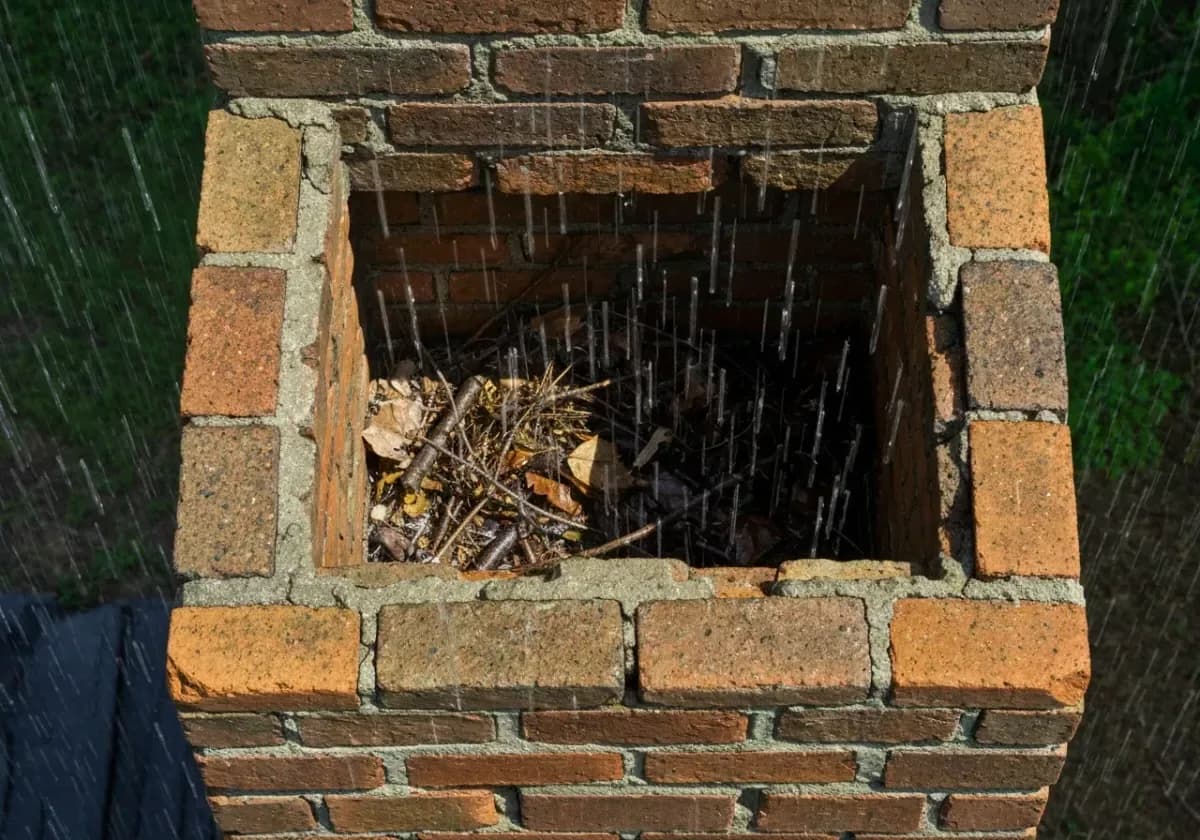 Before
 After
After
Four steps, each one on paper — so you always know what happens next.
Choose a genuine opening on the crew's calendar. Confirmation is immediate.
Liner, crown, cap, flashing and masonry examined in order — each finding photographed.
One document, plain numbers, covering only the work your chimney genuinely needs.
The repair is completed, then handed over with before-and-after photos of every item.
$105 to $295. Short wall vents on the ground floor sit at the bottom; roof exits, long concealed runs and nests push it toward the top.
Yearly cleaning is enough for most homes. Big households, pets and vents longer than about 25 feet usually need it sooner.
Yes. We measure the run and count the elbows and tell you how it compares with the limit in Washington's residential code, and with any longer length the dryer maker allows.
A $99 on-site inspection, a written quote before any work, and photos of every item we touch.