As the crisp air and increasing rain signal winter's approach in Kirkland, it's time to prepare our homes for the season. For those with a fireplace or wood stove, ensuring your chimney is winter-ready isn't just about warmth; it's about safety and efficiency, especially with the damp conditions we experience.
Schedule Your Annual Chimney Sweep
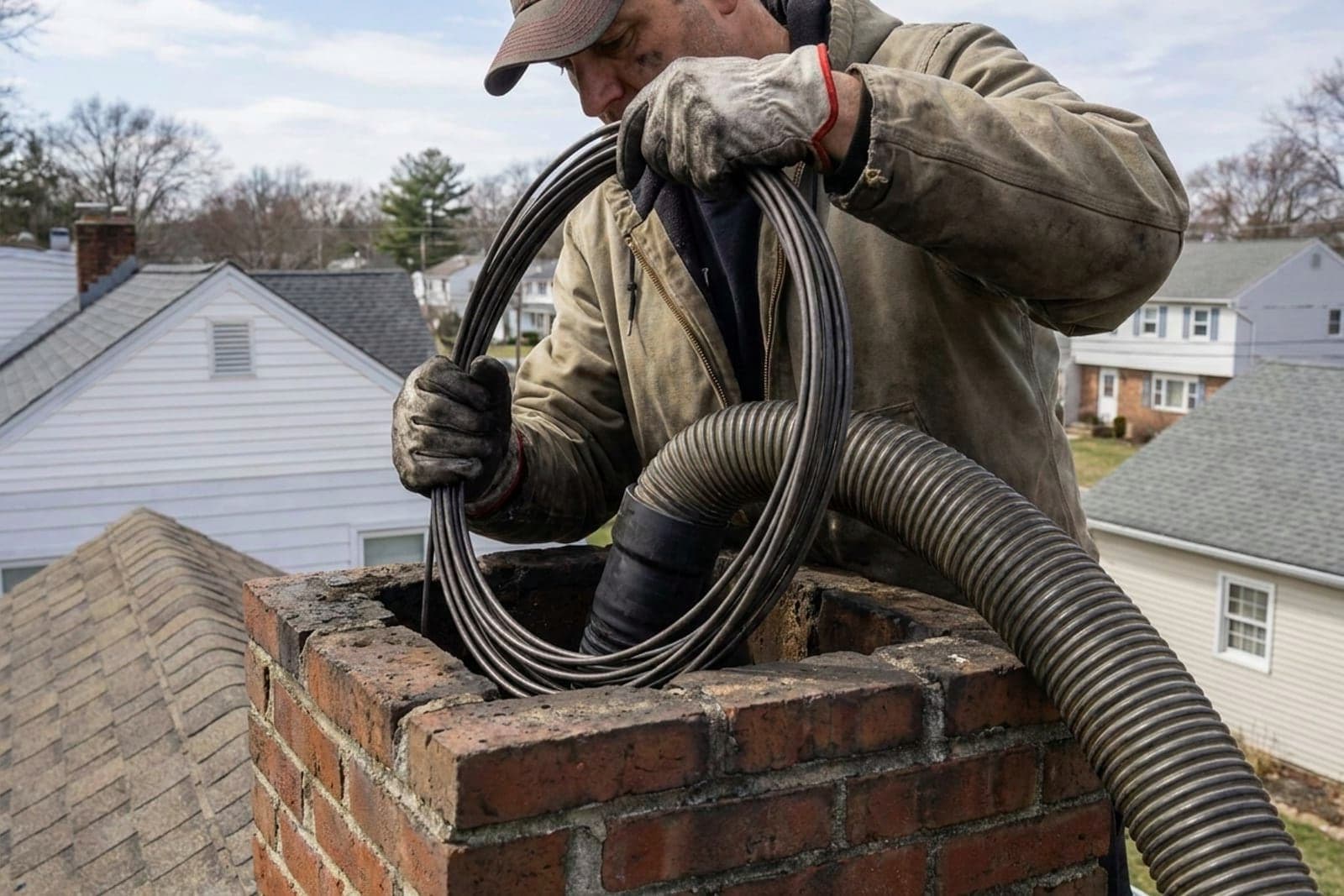
This is the most critical step. Over time, burning wood creates creosote buildup, a highly flammable substance. With heavy fireplace usage during our long PNW winters, regular sweeping is crucial to remove this fire hazard and any blockages.
A clean flue ensures a safe, efficient burn and is essential for homes across Kirkland, from Totem Lake to Juanita, where chimneys see significant use.
Get a Professional Inspection
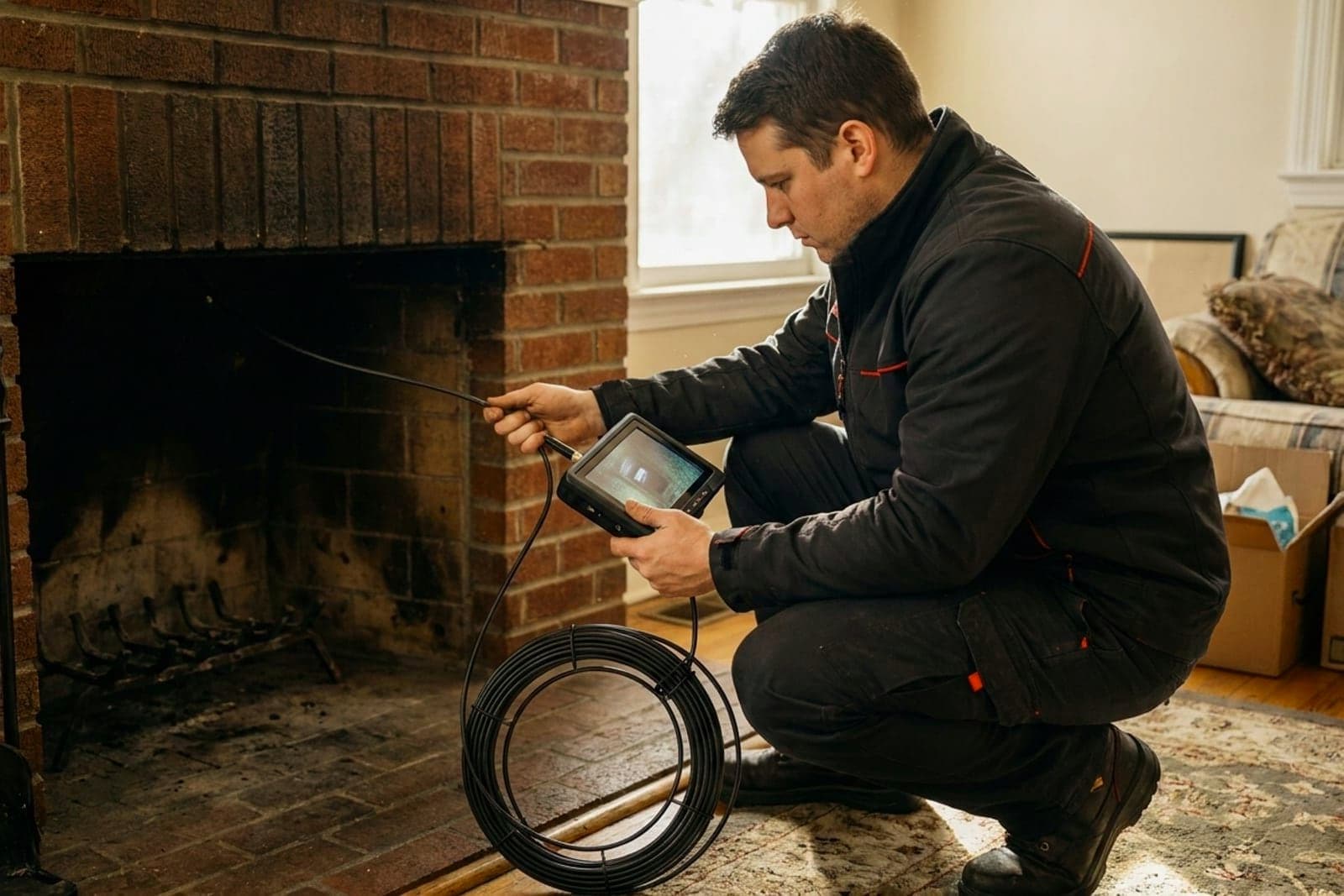
Beyond sweeping, a professional chimney inspection (typically a Level 1 or 2, depending on your situation) will identify any potential issues that could become serious problems during winter. This includes cracks, water damage, or structural concerns.
Early detection of problems in older homes near the waterfront, for example, can save you from costly emergency repairs later in the season.
Check for External Damage and Leaks
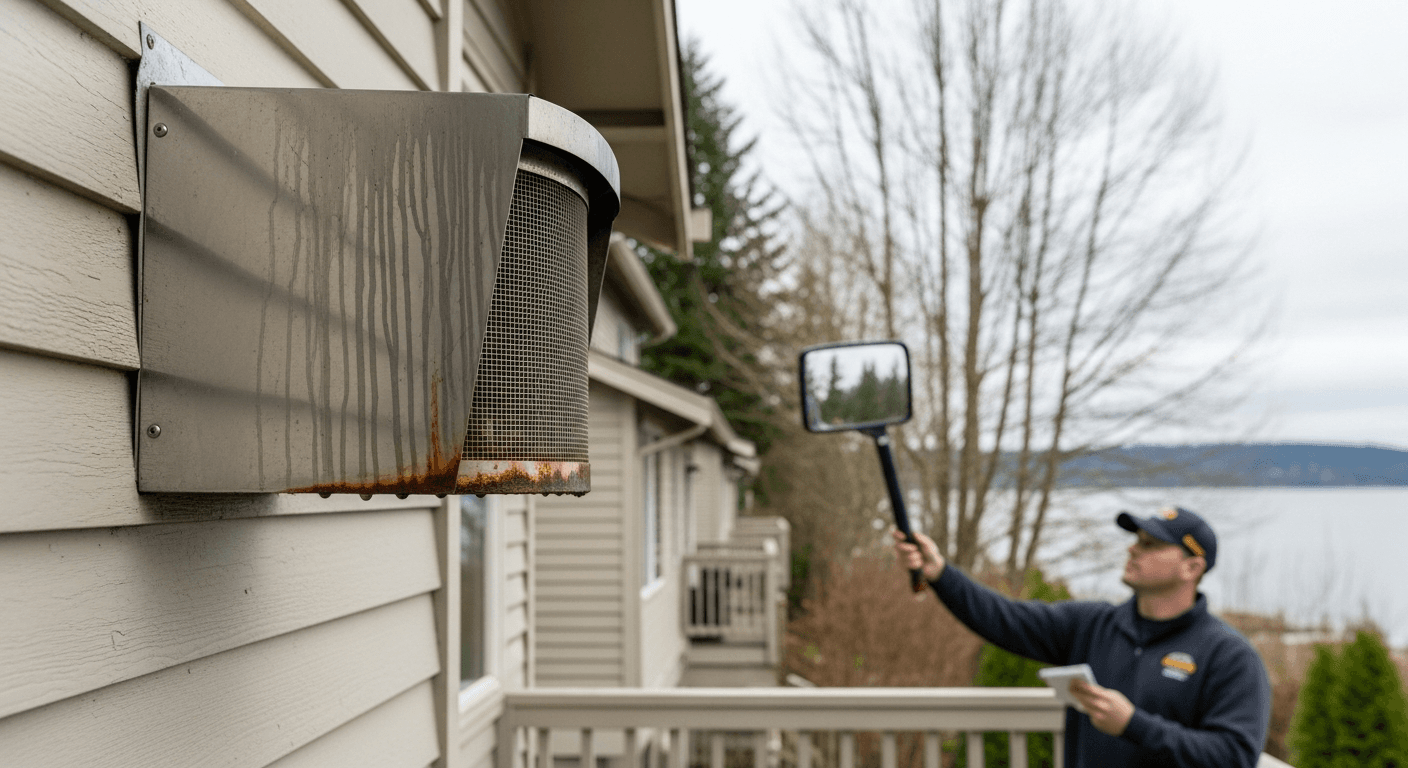
With constant PNW rain, your chimney’s exterior takes a beating. Inspect the chimney crown for cracks, check the flashing around the base for rust or separation, and look for any deteriorating mortar joints. Even minor issues can allow water to penetrate, leading to significant damage.
Addressing these external vulnerabilities now is key to preventing interior water damage in your Moss Bay or Rose Hill home.
Ensure Proper Ventilation and Draft
Before lighting your first fire, ensure your damper opens and closes freely. A restricted or blocked flue can cause smoke to back up into your home and reduce heating efficiency. Always burn well-seasoned, dry wood for optimal performance and safety.
Good ventilation is vital for all heating systems, contributing to a warmer, safer home, whether you live in a new townhome or a classic Kirkland residence.
Consider a Chimney Cap or Waterproofing
If your chimney lacks a cap, now is the time to install one. A cap prevents rain, snow, debris, and animals from entering your flue, which is critical during our wet winters. For added protection against the elements, consider professional chimney waterproofing.
Waterproofing provides an invisible barrier that repels water, protecting your chimney masonry from the freeze-thaw cycles and dampness that are so common in Washington.
Related services